

Table of Contents
Your CIBIL score is the three-digit number that decides whether you get a credit card, a home loan, or a personal loan and at what interest rate. If your score is lower than you would like, here is how to increase your CIBIL score with steps that genuinely work.
What Is CIBIL Score?
A CIBIL score is a three-digit number ranging from 300 to 900, issued by TransUnion CIBIL, one of four RBI-licensed credit bureaus in India. It is a numerical summary of your credit history. The higher the score, the better you look to lenders.
How CIBIL Score Is Calculated
TransUnion CIBIL calculates your score using four key factors and approximate weightages:
- Payment history (35%): Whether you pay EMIs and credit card bills on time is the single biggest factor.
- Credit utilization (30%): How much of your available credit limit you are using. Keeping this below 30% is recommended.
- Credit mix and duration (25%): A healthy blend of secured and unsecured credit, held over a longer period, improves your score.
- New credit inquiries (10%): Too many hard inquiries in a short period lower your score.
Note: The exact scoring formula is proprietary to TransUnion CIBIL. Weightages above are approximate. Source: TransUnion CIBIL, Axis Bank, Bajaj Finserv.
Difference Between Credit Score and CIBIL Score
A credit score is the general term for any three-digit creditworthiness rating. Four credit bureaus operate in India: TransUnion CIBIL, Experian, Equifax, and CRIF High Mark. The CIBIL score refers specifically to the score issued by TransUnion CIBIL, which is the most widely used by Indian lenders.
What Is a Good CIBIL Score in India?
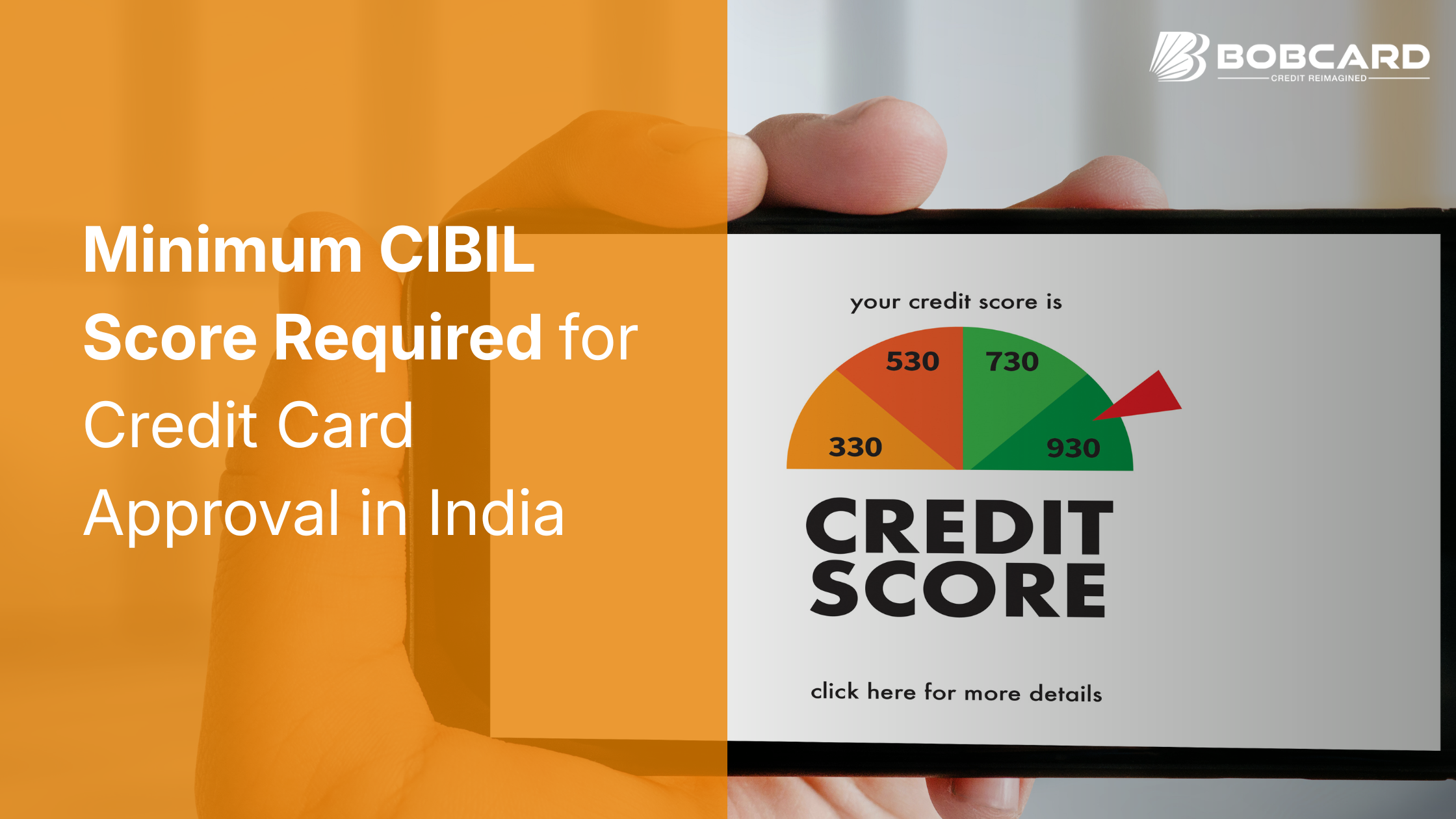
CIBIL Score Range 300 to 900 Explained
| Score Range | Rating | What It Means |
|---|---|---|
| 750 to 900 | Excellent | Easy approvals, best interest rates, high credit limits |
| 700 to 749 | Good | Most loans approved, competitive rates |
| 650 to 699 | Fair | Approvals possible but with higher interest rates |
| 550 to 649 | Average | Limited options, may need collateral |
| 300 to 549 | Poor | Loan and card approvals very difficult |
Minimum CIBIL Score Required for Loans and Credit Cards
Most banks and NBFCs prefer a score of 750 or above for unsecured loans and credit card approvals. For home loans, most lenders require a minimum of 700. Per 2025 RBI guidelines, if a lender rejects your application based on your credit score, they must provide the specific reason in writing.
How to Increase CIBIL Score Fast
Pay EMIs and Credit Card Bills on Time
Payment history accounts for approximately 35% of your CIBIL score. Even a single missed payment can reduce your score by up to 100 points. Set up auto-debit for at least the minimum amount due, and aim to pay the full outstanding balance before the due date each month.
Reduce Your Credit Utilization Below 30%
Credit utilization is the ratio of what you owe to your total credit limit. If your combined credit card limit is Rs 1,00,000 and your outstanding is Rs 40,000, your utilization is 40% too high. Aim to keep it below 30%, ideally below 10% for an excellent score.
Do Not Close Old Credit Accounts
The age of your credit accounts contributes to your score. Closing your oldest credit card shortens your average credit history, which can lower your score. Keep old accounts open and make a small purchase once every few months to keep the account active.
Limit Hard Enquiries: Avoid Multiple Loan Applications
Every time you formally apply for a loan or credit card, the lender runs a hard inquiry on your CIBIL report. Too many hard inquiries in a short time signal financial stress to lenders and reduce your score. Checking your own score (a soft inquiry) does not affect your score at all.
Maintain a Healthy Mix of Credit Types
A mix of secured credit (home loan, car loan) and unsecured credit (credit card, personal loan) shows lenders you can manage different kinds of debt responsibly.
Check and Fix Errors in Your CIBIL Report
Errors in your credit report can unfairly reduce your score. Under RBI guidelines updated in 2025, credit bureaus must resolve disputes within 30 days. You are entitled to one free full credit report annually from each of the four licensed bureaus.
Become an Authorized User on a Good Credit Account
If a family member with an excellent credit history adds you as an authorized user on their credit card, their good repayment record can appear on your credit report and boost your score.
How Long Does It Take to Improve CIBIL Score?
Realistic Timeline: 3 Months, 6 Months, 1 Year
Score improvement timeline
- 3 months: Fixing a CIBIL report error or reducing utilization can show improvement within 1 to 3 billing cycles.
- 6 months: Consistent on-time payments and reduced utilization can lift a fair score (650) to good (700) territory.
- 12 months: A disciplined year with zero missed payments, low utilization, and no new hard inquiries can move a poor score (550) toward the 700 range.
Factors That Speed Up or Slow Down Recovery
Recovery is faster when you fix an error (immediate), reduce utilization (1 to 2 billing cycles), and stop missing payments. Recovery is slower when you have a settled or written-off account on your report or a history of multiple hard inquiries.
Common Mistakes That Lower Your CIBIL Score
Missing Payment Due Dates
Even one missed payment stays on your CIBIL report. Pay it immediately and do not miss another one. The impact of a single missed payment reduces over time as you build a clean record.
Maxing Out Credit Card Limit
Using your full credit card limit pushes your utilization to 100%, which is one of the fastest ways to hurt your score. Pay down your balance or split spending across multiple cards.
Settling a Loan Instead of Closing It
If you settle a loan for less than the full amount owed, it is reported as SETTLED on your CIBIL report. A settled status is viewed negatively by lenders. Always pay the full outstanding amount and ensure the lender marks the account as CLOSED and issues a No Objection Certificate (NOC).
Too Many Credit Applications in Short Time
Applying for three credit cards and two personal loans within a month generates five hard inquiries. Space out your applications and only apply when genuinely needed.
How to Check Your CIBIL Score for Free
Official Ways to Check CIBIL Score Online
- TransUnion CIBIL website (cibil.com): One free full credit report per calendar year. Paid reports available at approximately Rs 550 each.
- Many Indian banks offer free CIBIL score checks through their net banking portals or mobile apps, typically once a month.
- Fintech platforms such as Paytm, BankBazaar, and CRED offer free score checks. These are soft inquiries and do not affect your score.
How Often Should You Check Your Credit Score?
Check your CIBIL score at least once every three to six months. More frequent checks are useful if you are planning to apply for a loan in the near future or if you suspect fraud.
Make Your Money Work Harder with a BOBCARD
Your savings account keeps your money safe. A BOBCARD credit card makes every rupee you spend earn rewards, cashback, or travel miles.
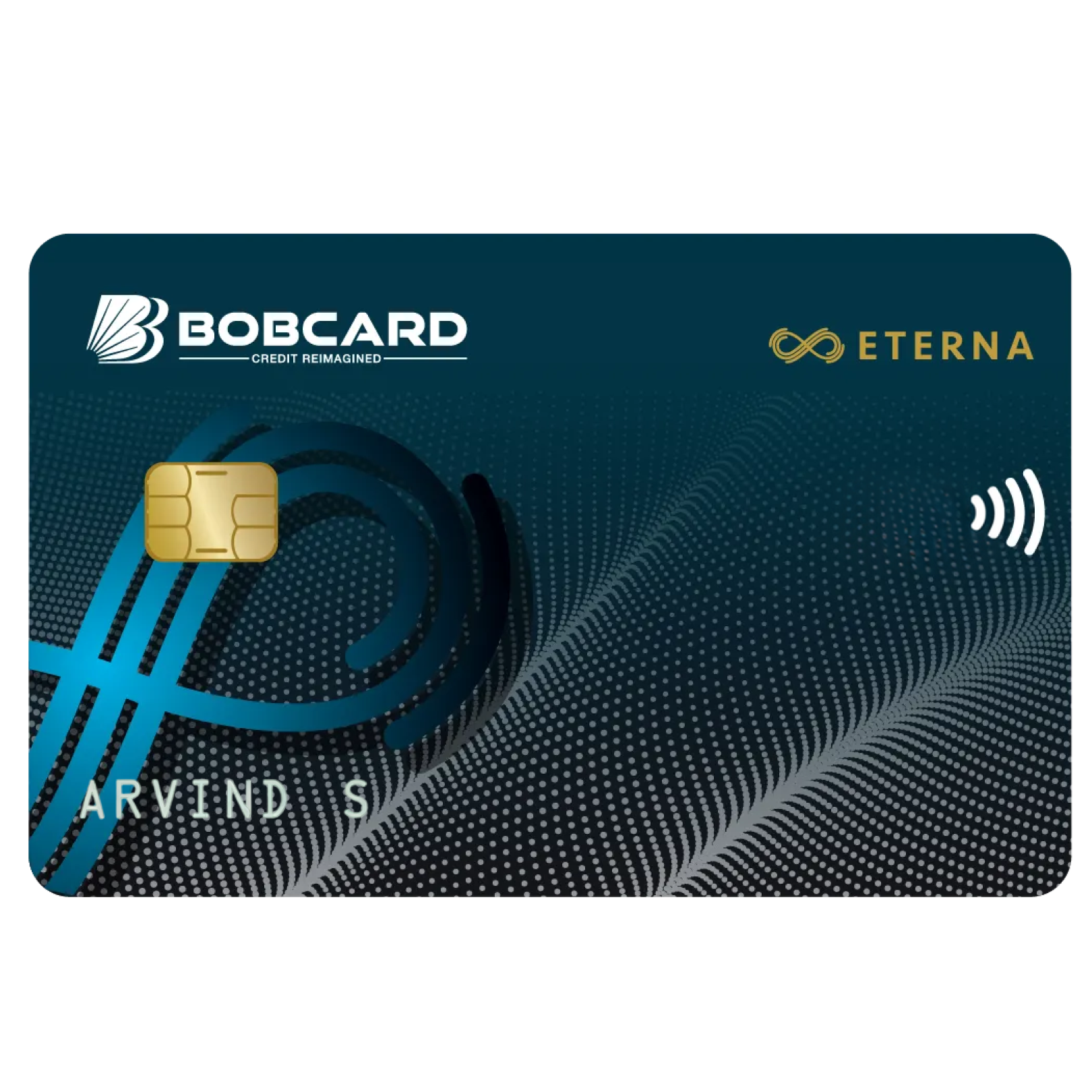
• Eterna 15x rewards on dining and travel, unlimited domestic lounge access
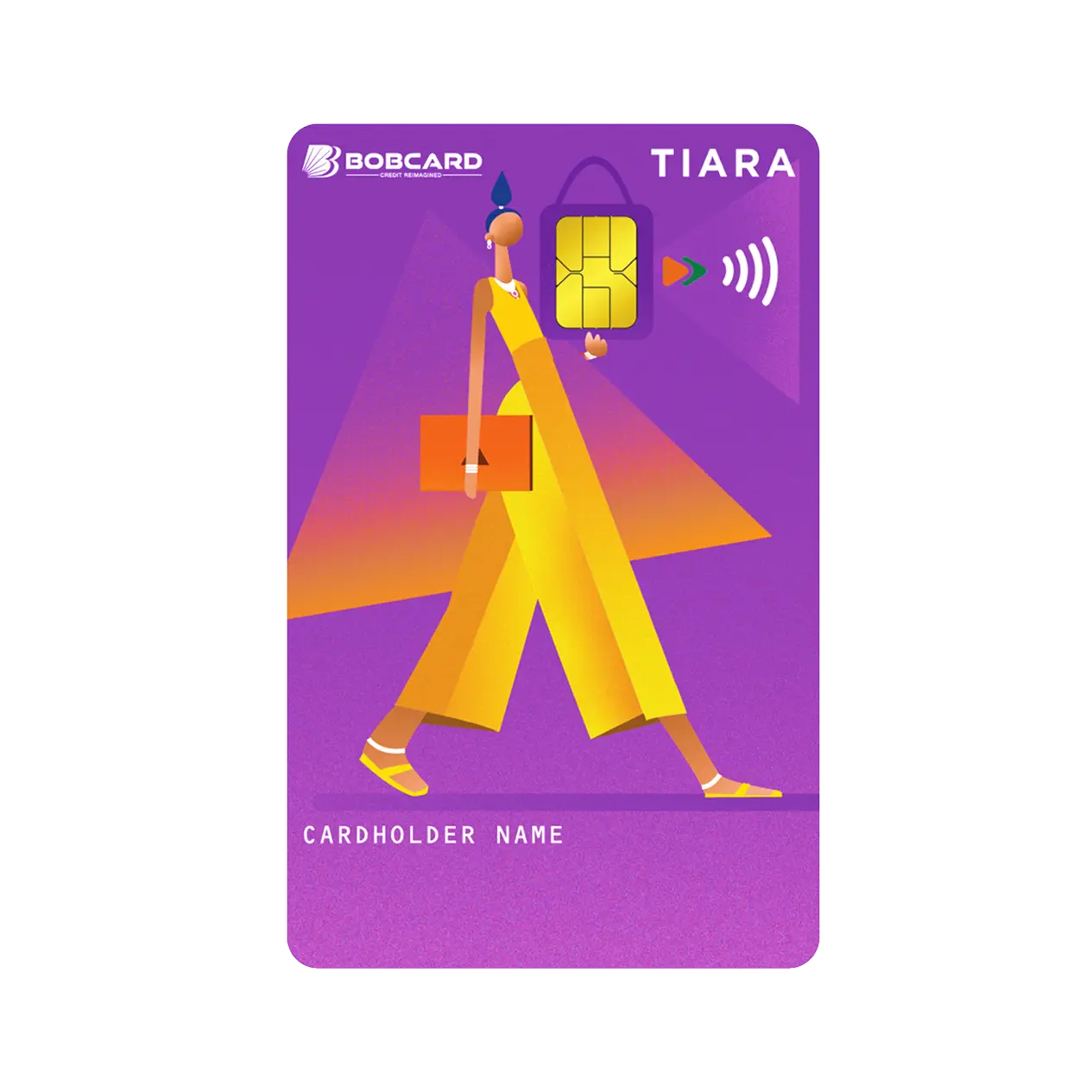
• Tiara Women-first card with wellness perks and 15x rewards
• Cashback 5% cashback on online spends, auto-credited every month
• Etihad Guest Earn Etihad miles with 1% forex markup and 12 lounge visits per year
Explore all cards at www.bobcard.life
Frequently Asked Questions
Disclaimer
General Disclaimer This article is published for general informational and educational purposes only. It does not constitute financial advice, investment advice, or any regulated financial service. All figures are based on publicly available data as of March 2026 and are subject to change without notice. Verify current details directly with your bank, a Chartered Accountant, or a qualified financial advisor before making any financial decision.
MITC and T&C All credit card and banking products referenced in this article are subject to the respective issuer's Most Important Terms and Conditions (MITC), Key Fact Statement (KFS), and Schedule of Charges. Product features, reward rates, fee structures, and eligibility criteria are at the sole discretion of the respective bank or NBFC and may be revised at any time. T&C apply.
CIBIL Note CIBIL scores are calculated by TransUnion CIBIL Limited, a private company licensed by the RBI. The score weightages mentioned are approximate and widely referenced. The exact proprietary formula is not publicly disclosed by TransUnion CIBIL.
BOBCARD Disclosure BOBCARD Limited is a Non-Banking Financial Company (NBFC) and a wholly owned subsidiary of Bank of Baroda, regulated by the Reserve Bank of India (RBI). Credit card issuance is at the sole discretion of BOBCARD Limited, subject to applicable eligibility criteria, credit assessment, and KYC documentation. All reward rates, cashback percentages, and benefit terms are indicative and subject to the applicable card's MITC. T&C apply.