

Table of Contents
- 1.What is a Credit Card Limit?
- 2.How Does a Credit Card Limit Work?
- 3.How Do Banks Decide Your Credit Card Limit?
- 4.Credit Card Limit Based on Salary (India Guide)
- 5.Types of Credit Card Limits You Should Know
- 6.How to Check Your Credit Card Limit
- 7.How to Increase Your Credit Card Limit
- 8.Proven Ways to Improve Your Credit Limit Eligibility
- 9.Benefits of Having a Higher Credit Card Limit
- 10.Risks of a High Credit Card Limit
- 11.What Happens If You Exceed Your Credit Limit?
- 12.Credit Limit vs Spending Limit – Are They Different?
- 13.How to Use Your Credit Card Limit Smartly
Imagine standing at a checkout counter with your cart full, but your card declined. Not because your account is empty, but because you hit your credit card limit. For millions of Indians who rely on credit cards for daily expenses, travel, emergencies, and big-ticket purchases, understanding the credit card limit is not just a financial literacy exercise, it is a practical necessity.
In India, credit card usage crossed the 100 million active card mark, according to RBI data, and continues to rise sharply. Yet, a large share of cardholders remain unaware of how their credit limit is determined, what affects it, and most importantly how to increase it strategically. Whether you are a first-time cardholder or a seasoned user looking to unlock a higher limit, this guide covers everything you need to know about how credit card limits work in India, from calculation methods to enhancement strategies.
What is a Credit Card Limit?
A credit card limit is the maximum amount of credit your card issuer, be it a bank or a non-banking financial company (NBFC) permits you to use on your credit card at any given time. Think of it as a pre-approved short-term borrowing ceiling that resets each billing cycle once you make repayments.
This limit is not arbitrary. It is carefully calculated based on your financial profile and represents the issuer's assessment of how much credit you can responsibly manage and repay.
Credit Limit vs Available Credit – Key Difference
While the terms are often used interchangeably, they mean different things:
- Credit Limit: The total approved credit ceiling on your card (e.g., ₹1,00,000).
- Available Credit: The portion of your credit limit that remains unused and is available for spending. If you have spent ₹40,000 out of a ₹1,00,000 limit, your available credit is ₹60,000.
Your available credit reduces as you spend and increases again once you make payments. Monitoring your available credit helps you plan purchases wisely and avoid breaching your limit.
What Happens If You Exceed Your Credit Limit?
Exceeding your sanctioned limit can trigger over-limit fees and potential transaction declines. Importantly, as per RBI's updated guidelines, card issuers cannot allow over-limit transactions unless you have explicitly opted in for the over-limit facility. This consent-based system ensures you remain in control of your spending boundaries.
How Does a Credit Card Limit Work?
Your credit card limit is not a fixed pool of money you spend and lose. It is a revolving credit facility that replenishes as you repay.
Billing Cycle and Credit Usage Explained
Every credit card operates on a billing cycle typically 28 to 31 days. During this period, you can use your credit limit freely up to the sanctioned ceiling. At the end of the cycle, a statement is generated showing the total amount due. You then have a grace period usually 15 to 25 days to make your payment. Once payment is received, your available credit is restored accordingly, and the cycle begins again.
Role of Credit Utilisation Ratio (Why 30% Matters)
The credit utilisation ratio is the percentage of your total available credit that you are currently using. It is calculated simply:
Credit Utilisation Ratio = (Total Outstanding Balance ÷ Total Credit Limit) × 100
For example, if your credit limit is ₹1,00,000 and your current outstanding is ₹30,000, your utilisation ratio is 30%.
Financial experts and credit bureaus like CIBIL, Experian, and Equifax consistently recommend keeping this ratio below 30%. This threshold signals to lenders that you use credit responsibly without being over-dependent on borrowed funds. Consistently high utilisation above 50% or 75% can negatively affect your CIBIL score, making future credit access harder.
Impact of Credit Limit on Your Credit Score
Your credit limit directly influences your credit score through the utilisation ratio. A higher credit limit combined with controlled spending automatically lowers your utilisation ratio, which can positively impact your CIBIL score. Conversely, a low limit with high usage can suppress your score even if you pay on time. Managing your credit limit wisely is therefore one of the most effective tools for long-term credit health.
How Do Banks Decide Your Credit Card Limit?
Banks and card issuers use a multi-factor assessment model when determining your credit card limit. There is no universal formula, but the following factors carry the most weight across all major Indian lenders.
Income-Based Credit Limit (Salary Slabs Explained)
Income is the primary driver of your credit limit. Most banks in India apply a multiplier of 2x to 3x your monthly income to arrive at an initial credit limit. For example, a ₹40,000 monthly salary may result in a credit limit of ₹80,000 to ₹1,20,000. However, this is just the starting point other factors refine the final number significantly.
Credit Score and Its Impact on Limit Approval
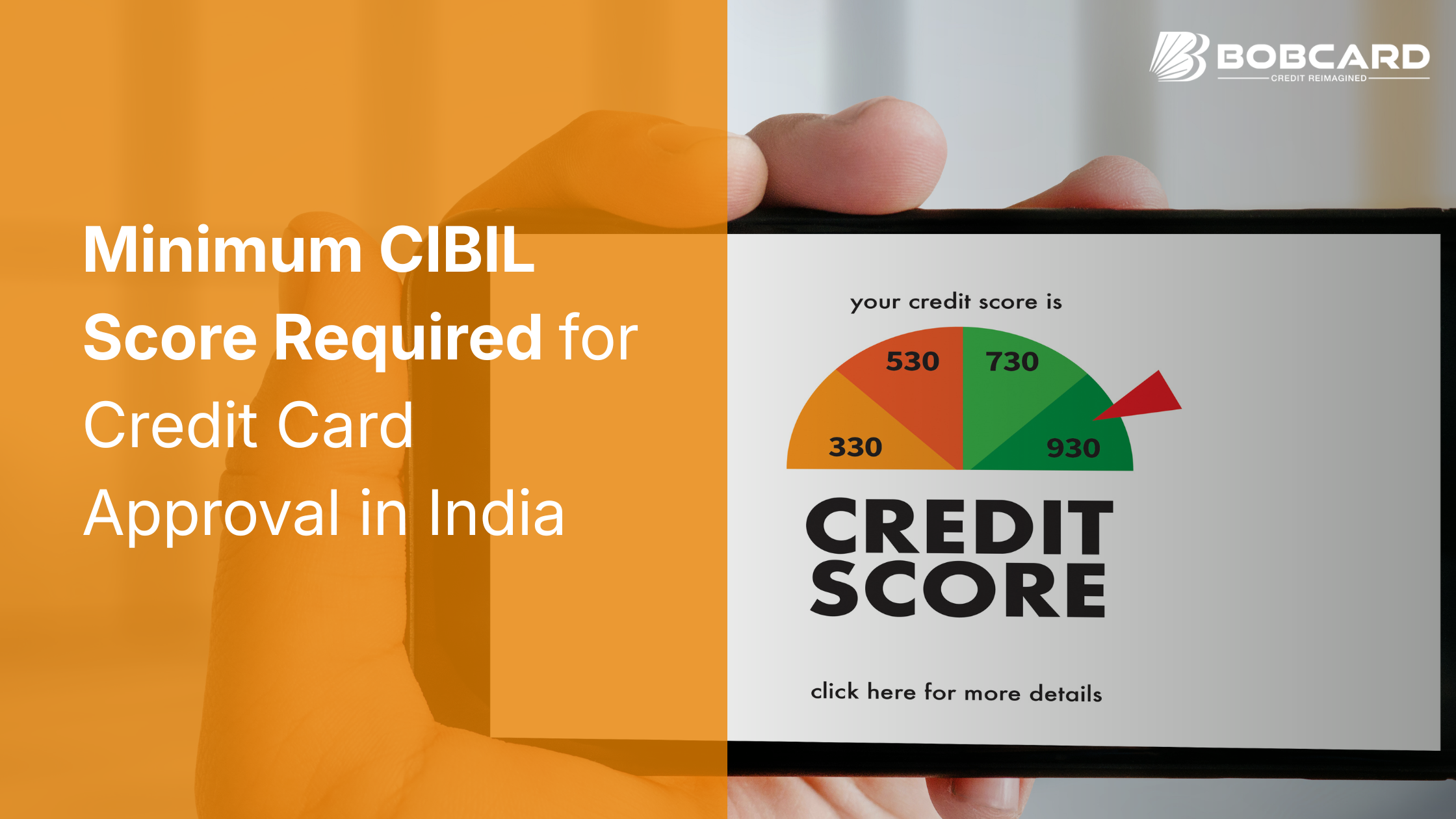
Your CIBIL score a three-digit number ranging from 300 to 900 is a critical filter. A score of 750 or above is generally considered excellent and can result in a higher credit limit and better card variants. A lower score may lead to a reduced limit or outright rejection. Lenders view your score as a summary of your past credit behaviour, including repayment history, credit mix, and utilisation patterns.
Employment Type and Stability
Salaried employees at reputed organisations especially those in the public sector, MNCs, or listed companies are typically viewed as lower risk compared to self-employed individuals or gig workers. Permanent employment with consistent pay structures signals income stability, which issuers reward with higher approved limits.
Existing Loans and Debt-to-Income Ratio
If a significant portion of your monthly income is already committed to EMIs home loans, car loans, personal loans your debt-to-income ratio is high. A high DTI indicates limited repayment capacity for additional credit, which can constrain your approved credit limit or lead to more conservative offers.
Relationship with the Bank
Your banking relationship matters more than most people realise. Long-standing account holders with salary credits, fixed deposits, or existing loan repayment histories with the same bank are often extended preferential credit limits. Banks have direct visibility into your cash flow patterns, which reduces their underwriting risk and often works in your favour during limit assessment.
Credit Card Limit Based on Salary (India Guide)
Here is a practical breakdown of what credit card limits typically look like across different salary levels in India. These figures are indicative, based on the standard 2x–3x income multiplier used by most issuers.
| Monthly Salary | Minimum Limit (2x) | Maximum Limit (3x) | Notes |
|---|---|---|---|
| ₹30,000 | ₹60,000 | ₹90,000 | Entry-level profile |
| ₹50,000 | ₹1,00,000 | ₹1,50,000 | Mid-level profile |
| ₹75,000+ | ₹1,50,000 | ₹2,25,000+ | Senior/experienced |
Expected Credit Limit for ₹30,000 Salary
For an individual earning ₹30,000 per month, the typical credit card limit ranges between ₹60,000 and ₹90,000. First-time cardholders may receive limits on the lower end, while those with a good credit history or an existing banking relationship may qualify for the upper range or even slightly higher.
Expected Credit Limit for ₹50,000 Salary
At a ₹50,000 monthly salary, most issuers approve limits between ₹1,00,000 and ₹1,50,000. Premium card variants may offer higher limits, subject to a strong CIBIL score and clean repayment record.
How Salary Influences Maximum Credit Limit
Salary is the foundational input in credit limit calculation, but it is not the ceiling. Many banks set internal thresholds for maximum permissible limits tied to income brackets. A higher income opens the door to premium card products with limits well beyond the standard 3x multiplier, especially for individuals earning above ₹1 lakh per month.
Why Two People with the Same Salary Get Different Limits
Income is only one piece of the puzzle. Two individuals earning the same salary can receive very different limits depending on their CIBIL scores, existing loan obligations, credit utilisation history, employment type, and banking relationship. Someone with a 780 CIBIL score and no outstanding EMIs may receive a significantly higher limit than someone earning the same amount but carrying multiple active loans.
Types of Credit Card Limits You Should Know
Not all limits on your credit card are the same. Here is a breakdown of the different types:
Total Credit Limit
This is the overall approved limit on your card the maximum amount you can charge to it in total across all transaction types.
Available Credit Limit
This is your total credit limit minus your current outstanding balance. It represents the actual spending room you have at any given point in time.
Cash Withdrawal Limit
Most credit cards allow cash withdrawals from ATMs, but with a sub-limit typically 20% to 40% of your total credit limit. Cash withdrawals attract higher interest rates from the date of withdrawal and should be used only as a last resort.
Temporary / Bonus Credit Limit
Banks may offer a temporary increase in your credit limit during festive seasons, travel periods, or on specific request. This is a short-term enhancement that reverts to the original limit after the specified period and does not permanently alter your credit profile.
How to Check Your Credit Card Limit
Staying informed about your credit limit and available credit is essential for responsible card management. Here are the most common methods:
Checking via Mobile Banking App
Most banks offer real-time credit limit visibility on their mobile app. Simply log in, navigate to your credit card section, and you will find a snapshot of your total limit and available credit.
Checking via Net Banking
Similar to the app, your net banking portal provides complete credit card details including your current limit, outstanding amount, and available credit under the credit card management section.
Checking Through Monthly Statement
Your monthly credit card statement always includes your total credit limit, the amount used during the billing cycle, and the remaining available balance. This is a reliable, documented record of your credit position.
Checking via SMS or Customer Care
Many banks allow a quick SMS query typically sending 'BAL' or a card-specific code to the bank's SMS number to receive your available credit details. Alternatively, the 24x7 customer care helpline can provide instant information.
How to Increase Your Credit Card Limit
This is one of the most searched questions in personal finance, and for good reason. A higher credit limit gives you greater spending power, improves your credit utilisation ratio, and provides a stronger financial safety net. Here is everything you need to know:
Credit Limit Enhancement – What It Means
Credit limit enhancement is the formal process of requesting your bank to increase the approved spending ceiling on your existing credit card. It is different from applying for a new card it applies to your current card and reflects growing trust in your repayment capacity.
How to Request Credit Limit Increase (Online & Offline)
Most banks today offer both digital and offline channels for limit enhancement requests:
- Online: Via mobile banking app or net banking navigate to the credit card section and submit a limit enhancement request.
- Offline: Visit your nearest bank branch with relevant documents, or call customer care to initiate the request.
As per RBI guidelines, banks must obtain explicit customer consent before increasing your credit limit meaning they cannot unilaterally raise it without informing and receiving your approval.
Automatic vs Manual Credit Limit Increase
Automatic increases are offered by banks proactively, typically after 12–18 months of responsible card usage timely payments, low utilisation, and regular transactions. Manual increases require you to formally request and provide supporting documentation. Both routes are equally valid, though automatic increases are a strong signal of a healthy credit profile.
Documents Required for Limit Enhancement
When applying for a manual credit limit increase, you may be required to submit:
- Recent salary slips (last 2–3 months)
- Latest Form 16 or Income Tax Return
- Bank statements showing salary credit
- Updated employment proof (if applicable)
For self-employed individuals, audited financial statements or ITR filings for the last 2 years are typically required.
Proven Ways to Improve Your Credit Limit Eligibility
If your current limit feels insufficient for your lifestyle or financial goals, the following practices will systematically strengthen your eligibility for a higher limit over time.
Maintain a High Credit Score
A CIBIL score of 750 or above is the benchmark most banks use for preferential credit limit offers. Regularly monitor your credit report for errors, resolve any discrepancies promptly, and prioritise behaviours that keep your score in the excellent range.
Pay Bills on Time Consistently
Repayment history is the most influential factor in your credit score and one of the strongest signals to banks when reviewing your limit. Setting up auto-pay for at least the minimum amount due ensures you never miss a deadline. Paying the full outstanding amount, however, is always the smarter financial choice.
Reduce Credit Utilisation Ratio
Consistently keeping your utilisation below 30% across all cards demonstrates financial discipline and reduces lender risk perception. If you are currently at 50% or above, work towards paying down balances and request a limit review once you have sustained lower utilisation for 6–12 months.
Show Increase in Income
If you have received a salary increment, promotion, or have additional income sources, notify your bank and submit updated income proof. Banks update your credit profile based on new income data and may proactively offer a higher limit or approve your enhancement request more readily.
Use Your Card Regularly but Responsibly
Dormant cards are less likely to receive limit enhancements. Regular usage within sensible limits demonstrates that you actively need and responsibly manage your credit. Banks track spending patterns and reward consistent, low-utilisation users with periodic limit reviews.
Benefits of Having a Higher Credit Card Limit
Better Credit Score Management
A higher limit, combined with controlled spending, reduces your utilisation ratio, which can boost your CIBIL score over time. This creates a positive feedback loop: better score, better credit products, better financial opportunities.
Higher Purchasing Power
An elevated credit limit gives you the flexibility to handle large purchases electronics, travel bookings, medical expenses without stretching across multiple transactions or applying for additional credit.
Improved Emergency Financial Flexibility
Financial emergencies are unpredictable. A higher credit limit provides a meaningful safety buffer when liquid savings may fall short, giving you time to arrange funds without disrupting long-term investments.
Easier Loan Approvals
A strong credit profile built through responsible credit card usage high limit, low utilisation, timely payments significantly improves your eligibility for personal loans, home loans, and other credit products at competitive interest rates.
Risks of a High Credit Card Limit
Overspending Behaviour
The psychological effect of a higher limit can sometimes lead to lifestyle inflation spending more simply because the capacity exists. It is essential to treat your credit limit as a facility, not a target.
Higher Debt Risk
A higher limit also means a higher potential debt burden if not managed carefully. Missing payments on large outstanding amounts can lead to compounding interest charges and rapid debt accumulation.
Impact on Financial Discipline
Relying heavily on a high credit limit can gradually erode budgeting discipline. Responsible card use requires treating monthly credit card spending as you would cash budgeted, purposeful, and within your repayment capacity.
What Happens If You Exceed Your Credit Limit?
Over-limit Fees and Charges
If you have opted in for the over-limit facility, exceeding your credit limit will attract over-limit fees as defined in your card's terms and conditions. These charges are levied on the amount by which the limit was breached, not the full outstanding balance.
Transaction Declines
If the over-limit facility is disabled which is the default setting under current RBI guidelines any transaction that would breach your credit limit will be automatically declined at the point of sale or online checkout.
Negative Impact on Credit Score
Consistently spending at or beyond your credit limit signals financial stress to credit bureaus and can meaningfully suppress your CIBIL score. Keeping a buffer of at least 30%–40% below your ceiling at all times is the safest practice.
Credit Limit vs Spending Limit – Are They Different?
Key Differences Explained
Your credit limit is the bank-approved maximum borrowing ceiling on your card. Your spending limit, on the other hand, may refer to self-imposed spending controls or bank-defined sub-limits for specific transaction categories (like international spending or online transactions). While your credit limit is set by the issuer, you can configure spending controls to align card usage with your budget.
How Banks Set Spending Controls
Under RBI's updated digital control framework, banks are required to provide cardholders with easily accessible options to set and adjust spending controls through mobile banking and internet banking platforms. You can limit international transactions, set per-transaction caps, or restrict certain merchant categories all without affecting your overall credit limit.
How to Use Your Credit Card Limit Smartly
Your credit card limit is one of your most valuable financial tools but only when you understand how to use it strategically.
Ideal Credit Usage Strategy
Aim to keep your monthly credit card spending within 20%–30% of your total limit. This not only preserves your CIBIL score but also ensures you have adequate available credit for genuine emergencies without pushing your utilisation into risky territory.
When to Request a Limit Increase
Consider requesting a credit limit enhancement after 12 months of consistent on-time payments, when your income has increased, or when your existing limit is regularly constraining genuine spending needs. Ensure your utilisation has been low and your credit score is above 750 before making the request.
Final Tips for Maintaining Financial Health
- Always pay your full outstanding balance, not just the minimum due.
- Review your credit utilisation ratio monthly.
- Never use more than 30% of your credit limit on any single card.
- Monitor your CIBIL score regularly and address discrepancies promptly.
- Request limit enhancements proactively as your income grows.
Ready to Explore Best in Class Credit Card? Apply for BOBCARD Today.
If you are looking for a credit card that rewards smart usage, offers transparent features, and grows with your financial journey BOBCARD, powered by Bank of Baroda, is designed for exactly that.
BOBCARD offers a range of credit cards tailored to different lifestyles and spending needs from everyday rewards to premium travel benefits with clear terms, competitive features, and the trust of one of India's leading public sector banks.
Frequently Asked Questions
Disclaimer
The information provided in this blog is for general informational and educational purposes only. All figures related to credit card limits, salary-based estimates, and credit scoring are indicative and may vary across banks and non-banking financial companies (NBFCs) based on their individual credit assessment policies.
The salary-to-limit multipliers mentioned (2x–3x) are general industry estimates and do not represent a guarantee of any specific credit limit from Bank of Baroda or BOBCARD. Actual credit limits are subject to each applicant's financial profile, credit score, existing liabilities, and the issuing bank's internal underwriting criteria.
Credit score benchmarks referenced are based on general industry norms and CIBIL score ranges. Individual results may vary. Readers are advised to consult their bank or a qualified financial advisor before making credit-related decisions.
All regulatory references pertain to the Reserve Bank of India's Master Direction on Credit Cards and Debit Cards and related circulars as publicly available. BOBCARD and Bank of Baroda are registered entities regulated by the Reserve Bank of India.
This blog does not constitute financial advice. BOBCARD and Bank of Baroda are not liable for financial decisions made based on the information published herein.