
A credit card is not just a payment instrument. Used correctly, it is a tool that can earn you rewards on every rupee you spend, protect you against fraud, fund large purchases in affordable instalments, build a credit score that opens doors to better loans, and provide a financial safety net in emergencies,all without paying a single rupee of interest if you settle your bill in full each month.
Yet, many people in India remain hesitant about credit cards, fearing debt or misuse. The reality is that the advantages of a credit card are substantial and well-documented,and the risks are manageable with one simple discipline: pay your full outstanding balance before the due date, every time. This guide walks you through every major benefit of a credit card, with the clarity and context you need to decide whether one is right for you.
Key Advantages of Credit Cards in India
Interest-Free Credit Period Up to 50 Days
Perhaps the most powerful and most underutilised advantage of a credit card is its interest-free grace period. Most Indian credit cards offer an interest-free period of up to 50 days from the date of purchase to the payment due date. During this window, you are effectively using the bank's money at zero cost.
Example: If your billing cycle runs from the 1st to the 30th of the month and your payment due date is the 20th of the following month, a purchase made on the 1st gives you up to 50 days to repay, interest-free.
This makes a credit card a genuinely useful short-term credit facility for planned purchases, something no debit card or cash transaction can replicate.
Reward Points & Cashback on Every Spend
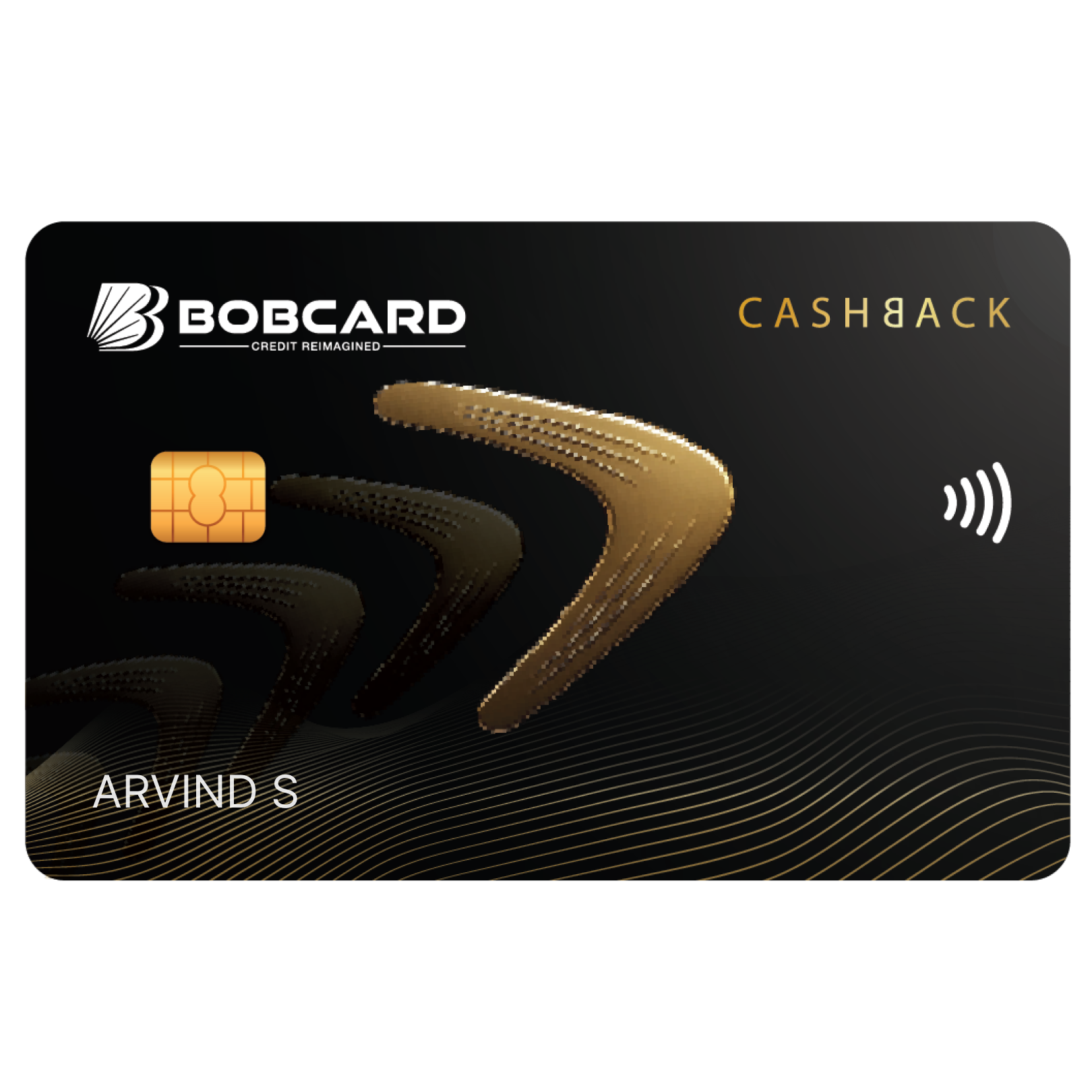
Every time you swipe your credit card, you earn something back. Depending on the card and the transaction category, this could be reward points redeemable for vouchers, travel, or merchandise; direct cashback credited to your account; or airline miles accumulating towards free or discounted flights. For a regular spender who pays their bill in full, the rewards earned over a year can easily exceed the card's annual fee, turning everyday spending into genuine savings.
EMI Conversion for Large Purchases
Credit cards make large purchases manageable by allowing you to convert them into Equated Monthly Instalments (EMIs) over 3, 6, 12, or 24 months. Whether you are buying consumer electronics, funding a home appliance upgrade, booking a holiday, or covering a medical expense, the EMI facility on your credit card spreads the cost without requiring you to liquidate your savings. This is typically faster and involves less documentation than a personal loan.
Welcome Benefits & Joining Bonuses
Most credit cards come with a welcome benefit that makes the card valuable from day one. This could be bonus reward points, a statement credit, a gift voucher, or a complimentary subscription to a lifestyle service. These joining bonuses often represent significant value, sometimes several times the card's annual fee, and are designed to reward new cardholders for their initial spends.
Airport Lounge Access & Travel Privileges
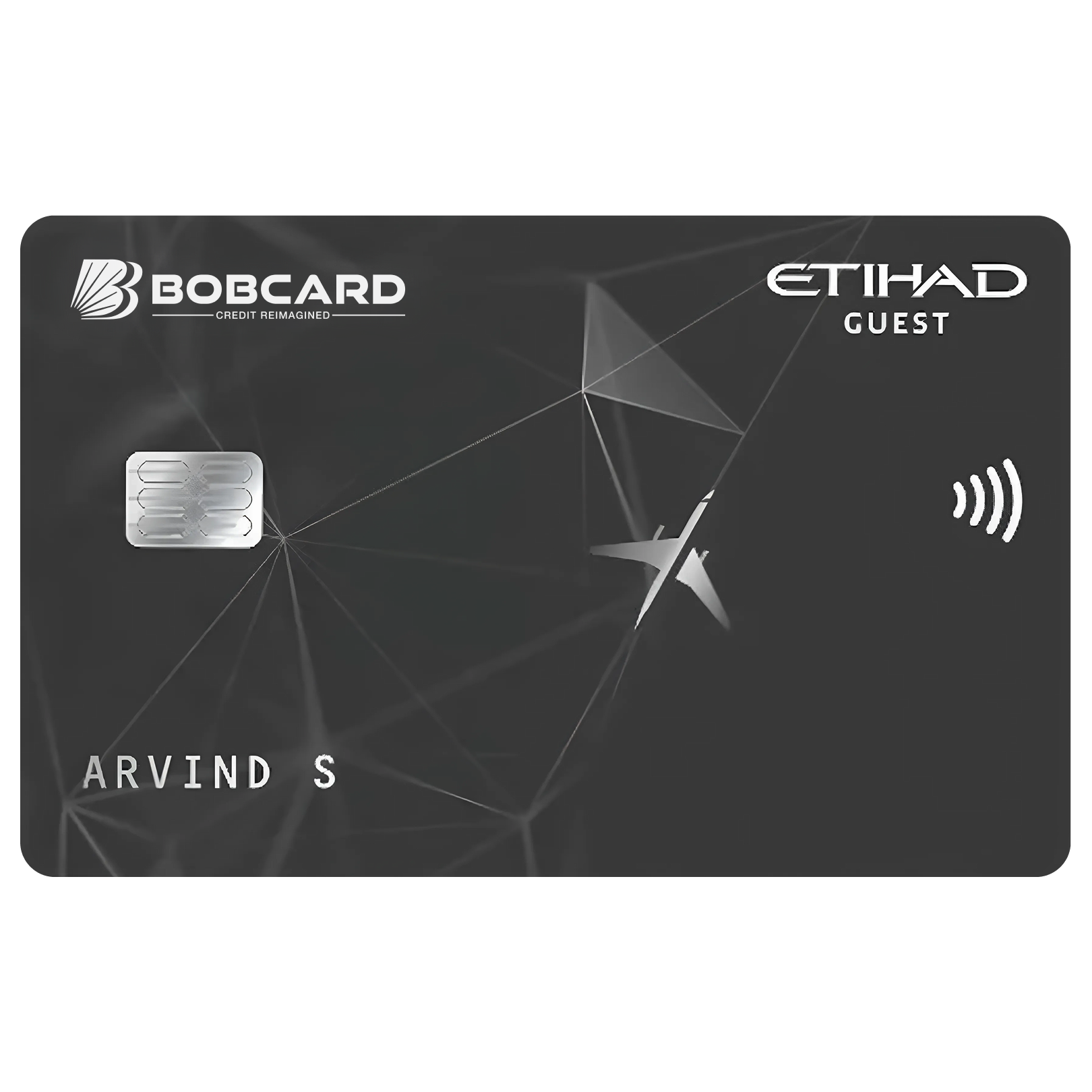
Mid-range and premium credit cards in India offer complimentary access to domestic airport lounges, a benefit that can translate into considerable savings for frequent travellers. At a standard lounge entry fee of ₹600–₹1,200 per visit, a card that provides 4–8 complimentary visits per year can save you ₹2,400–₹9,600 annually. Premium cards may additionally offer international lounge access, complimentary travel insurance, and air ticket vouchers as milestone benefits.
Fuel Surcharge Waiver
Fuel purchases attract a surcharge at petrol stations across India. Many credit cards offer a 1% fuel surcharge waiver on transactions within a specified amount range. For someone spending ₹5,000–₹10,000 on fuel monthly, this waiver can save ₹600–₹1,200 per year, a small but consistent benefit that adds up over time.
Fraud Protection & Zero Liability Cover
Credit cards provide a financial buffer between fraudsters and your actual bank savings. If an unauthorised transaction occurs on your credit card and you report it promptly, most banks offer zero-liability protection, meaning you are not held responsible for the fraudulent charge. The disputed amount is typically blocked from your bill while the investigation proceeds. This level of protection is significantly stronger than what debit cards offer, where fraud directly affects your bank balance.
Complimentary Insurance Benefits
Many credit cards include built-in insurance covers that are easy to overlook but genuinely valuable. These may include personal accident cover, lost card liability protection, purchase protection on new items bought using the card, and travel insurance covering trip cancellations or lost baggage. Premium credit cards sometimes offer air accident covers extending to ₹1 crore or more. These covers are activated by using the card and require no separate premium payment.
Concierge & Lifestyle Benefits on Premium Cards
Premium and super-premium credit cards offer concierge services that can handle travel bookings, restaurant reservations, event tickets, and personalised assistance, effectively functioning as a personal assistance service. Lifestyle benefits may include complimentary golf rounds, spa memberships, luxury hotel upgrades, and curated dining experiences. For high-frequency users of these services, the value can be substantial.
Credit Card Helps Build Your Credit Score
How Regular Credit Card Use Improves CIBIL Score
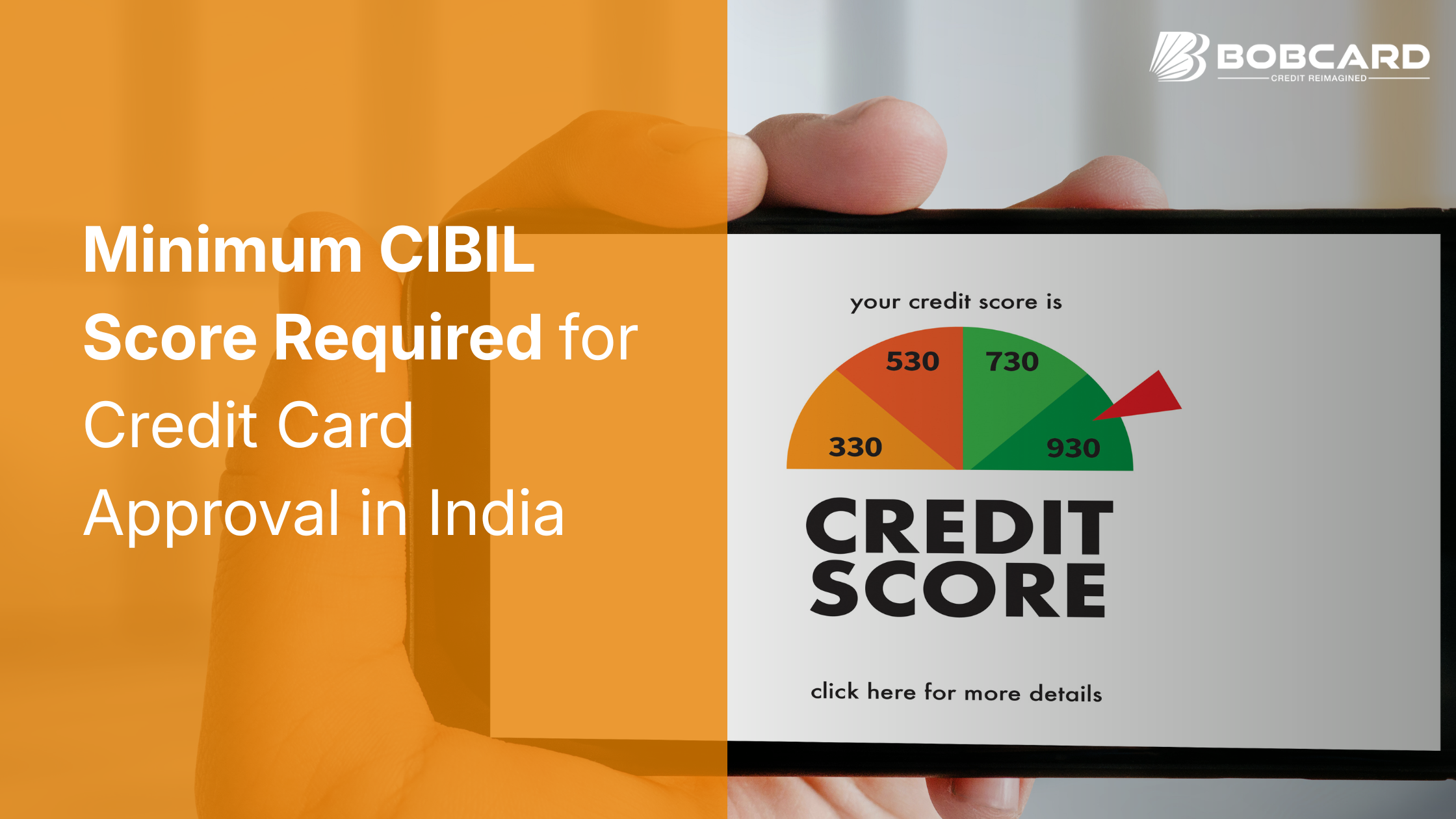
Every credit card transaction, and more critically, every on-time payment, is reported to credit bureaus, including TransUnion CIBIL, Equifax, and Experian. Consistent, responsible usage builds a positive credit history that raises your CIBIL score over time. The key behaviours that improve your score are: paying bills in full and on time, keeping your credit utilisation ratio below 30%, and maintaining a long, uninterrupted credit history.
Tip: Even minimal credit card usage, a monthly utility bill payment, followed by full repayment, builds credit history more effectively than not using a credit product at all.
Why a Good Credit History Opens Better Financial Doors
A CIBIL score of 750 or above is the gateway to better financial products across the board: home loans at lower interest rates, personal loans with minimal documentation, car loans with higher approval probabilities, and future credit cards with higher limits and better rewards. The discipline of managing a credit card responsibly today is a direct investment in your borrowing power tomorrow.
Credit Card as an Emergency Financial Backup
Instant Access to Credit During Emergencies
Life is unpredictable. A medical emergency, a sudden travel requirement, an urgent repair, these situations demand immediate access to funds. A credit card provides instant, pre-approved credit available 24/7, requiring no loan application, no processing time, and no documentation. For bridging short-term financial gaps, a credit card is one of the most efficient tools available to a salaried individual.
Medical & Travel Emergencies, How a Credit Card Helps
Medical emergencies, in particular, can require large sums at short notice. A credit card with a sufficient limit ensures that cost is never an obstacle to immediate care. For travel emergencies, a missed connection, a cancelled flight, or unexpected accommodation expenses, a credit card provides instant purchasing power and often comes with built-in travel insurance that covers certain unexpected costs.
Advantages of Credit Card Over Cash & Debit Card
Better Fraud Protection vs Cash
Cash, once lost or stolen, is gone permanently. A credit card, if lost or stolen, can be immediately blocked via your bank's app or customer care, and any fraudulent transactions can be disputed. The zero-liability protection on credit cards means that acting quickly on a loss or theft leaves you financially protected, something physical cash can never offer.
Rewards & Benefits Not Available on Debit Cards
The rewards ecosystem of a credit card, cashback, points, miles, lounge access, and insurance covers simply does not exist in the same form on debit cards. If you pay for all your purchases in cash or via debit card, every rupee spent earns you nothing. The same expenditure on a credit card (paid in full by the due date) consistently generates value.
Chargeback Protection on Failed Transactions
If a merchant fails to deliver goods or services, charges you incorrectly, or participates in a fraudulent transaction, a credit card gives you formal chargeback rights. You can file a dispute with your card issuer, who is obligated to investigate and respond. This consumer protection mechanism is more robust on credit cards than on debit cards, making credit cards the safer choice for high-value purchases, particularly online.
Advantages of Credit Card for Salaried Individuals
Manage Monthly Cash Flow with Interest-Free Period
For a salaried individual, the billing cycle and interest-free period of a credit card can be used strategically to optimise monthly cash flow. By timing larger purchases towards the beginning of the billing cycle, you maximise the interest-free period, spending the bank's money for up to 50 days while your own salary earns interest in a savings account.
Earn Rewards on Regular Monthly Expenses
Utility bills, groceries, fuel, streaming subscriptions, dining, these are expenses you will incur regardless. Paying them via a credit card (and settling the bill in full) converts inevitable expenditure into reward points or cashback. Over 12 months, this can accumulate into meaningful savings or redemptions.
Tax Benefits on Credit Card Spend in Some Categories
While credit cards themselves do not attract direct tax benefits in India, using a credit card for eligible business expenses (for self-employed individuals or freelancers) creates a clean, documented transaction record that supports tax deductions. The clear digital trail of credit card statements also simplifies ITR filing and financial record-keeping.
How to Maximise Credit Card Advantages
Always Pay Full Bill Before Due Date
This is the single most important rule of credit card usage. Paying your full outstanding balance by the due date costs you zero interest, preserves the value of all rewards earned, and builds your CIBIL score. Paying only the minimum due triggers interest on the remaining balance at rates that can range from 24% to 48% per annum, instantly eroding all the rewards and benefits you have earned.
Use the Right Card for the Right Spend Category
Different credit cards offer higher rewards in specific categories, some cards offer accelerated points on dining, others on travel, others on online shopping. Using a card that is matched to your highest-spending categories maximises the rewards you earn. If you spend heavily on fuel, use a card with a fuel surcharge waiver. If you travel frequently, use a travel card with lounge access and low forex markup.
Track Reward Points & Redeem Before Expiry
Reward points have an expiry date, typically 2–3 years from the date of earning, though this varies by issuer. Monitor your accumulated points through your bank's mobile app, plan your redemptions in advance, and prioritise high-value redemption options (travel, vouchers) over lower-value ones (cashback at unfavourable rates). Unredeeemed expired points represent a genuine loss of earned value.
Ready to Explore? Apply for BOBCARD Today.
BOBCARD, powered by Bank of Baroda, offers credit cards built to reward responsible usage, with cashback, reward points, lounge access, and competitive credit limits matched to your income and lifestyle. Whether you are just starting your credit journey or looking to maximise the benefits of your spending, there is a BOBCARD for you.
Explore the full range and apply today.
Frequently Asked Questions
Disclaimer
This blog is for general educational and informational purposes only and does not constitute financial advice. Card features, reward structures, interest-free periods, and benefit details mentioned are based on standard industry practices in India as of the date of publication and may vary by card issuer and product. Readers are encouraged to review the specific terms and conditions of any credit card before applying. BOBCARD is a product of Bank of Baroda, an RBI-regulated entity.