
Table of Contents
- 1.Cashback Credit Cards
- 2.Travel & Airline Credit Cards
- 3.Rewards & Points Credit Cards
- 4.Fuel Credit Cards
- 5.Shopping Credit Cards
- 6.Premium & Super Premium Credit Cards
- 7.Secured Credit Cards Against FD
- 8.Co-Branded Credit Cards
- 9.Business & Corporate Credit Cards
- 10.Student Credit Cards
- 11.Credit Cards with No Annual Fee
- 12.Credit Cards for Health & Fitness
- 13.How Are Credit Cards Categorized in India?
- 14.How to Choose the Right Type of Credit Card
India's credit card market has expanded significantly over the past decade. With more than 110 million credit cards active in 2026, the market now offers products tailored to nearly every lifestyle and spending pattern, from a first-time cardholder earning ₹25,000 a month to a high-net-worth professional who flies internationally every week.
Understanding the different types of credit cards available in India is the first step to choosing the right one. This guide covers every major credit card category, what each type is designed for, what benefits to expect, and how to decide which category fits your needs.
Cashback Credit Cards
Cashback credit cards return a percentage of your spending directly to you, as a statement credit, account credit, or direct reduction in your outstanding balance. There is no redemption portal, no points conversion, and no minimum threshold in most cases. What you earn simply appears in your next billing statement.
Cashback cards are best suited for people who want straightforward, tangible returns on their everyday spending without having to track or manage a points programme. The most common cashback rates in India range from 1% on all spends to 5% on specific categories such as online shopping, food delivery, or grocery delivery. The better cards offer auto-credit, meaning the cashback is posted to your account automatically each month with no action required.
Who should consider a cashback card: anyone who spends regularly on groceries, food delivery, online shopping, streaming subscriptions, or pharmacy orders and wants real money back rather than points. Income eligibility for entry-level cashback cards in India typically starts from ₹3–5 lakh per annum.
Travel & Airline Credit Cards
Travel credit cards are built around the needs of frequent flyers and regular travellers. They typically offer accelerated reward points or miles on flight bookings, hotel stays, and cab rides, along with benefits such as complimentary airport lounge access, forex markup reduction, and travel insurance.
Airline co-branded travel cards go further; they tie rewards directly to a specific airline's frequent flyer programme. Spending on these cards earns miles or points redeemable for flight upgrades, free tickets, or cabin class upgrades on partner airlines.
Non-airline travel cards offer more flexibility; points can be redeemed across multiple airlines, hotel chains, and travel platforms. These are typically the better choice for travellers who fly across multiple carriers rather than being loyal to one airline.
Key features to look for in a travel credit card: lounge access at domestic and international airports, low foreign currency markup (ideally 2% or below versus the standard 3–3.5%), accelerated miles or reward points on travel categories, and travel insurance coverage.
Who should consider a travel card: anyone who flies more than four times a year domestically or travels internationally at least once or twice a year. Income eligibility for travel cards in India starts around ₹6–12 lakh per annum depending on the card tier.
Rewards & Points Credit Cards
Rewards and points credit cards earn a certain number of points per ₹100 spent, which accumulate in your account and can be redeemed against a range of options, flights, hotel bookings, merchandise, gift vouchers, or cashback. The flexibility of redemption is the primary advantage of a rewards card over a cashback card.
Premium rewards cards earn higher points rates on specific categories, typically dining, travel, and online spending, and lower rates on other eligible spends. Points valuations vary significantly between card programmes: 1 reward point may be worth ₹0.25 on one card and ₹1 or more on another if redeemed through the right channel.
The distinction between a cashback card and a rewards card is important: cashback gives you a fixed, known value back immediately. Reward points require you to actively manage and redeem them to extract value, but when redeemed well, they can deliver a higher effective return than a cashback card.
Who should consider a rewards card: people with higher and more varied monthly spending who are willing to track and optimise their redemptions. Rewards cards offer the best value to users who spend significantly on dining, travel, and premium lifestyle categories.
Fuel Credit Cards
Fuel credit cards are designed for people who spend regularly at petrol pumps. They offer a combination of fuel surcharge waiver and accelerated reward points or cashback on fuel purchases, reducing the effective cost of every fill.
In India, a 1% fuel surcharge is levied by petrol pumps on credit card transactions, with an 18% GST on the surcharge amount. A fuel credit card waives this surcharge, typically on transactions between ₹400 and ₹5,000, up to a monthly cap. The cap varies by card, commonly ranging from ₹100 to ₹250 per billing cycle.
Some fuel cards are co-branded with a specific oil company, HPCL, BPCL, or Indian Oil, and offer higher rewards when you fuel at that company's outlets. General fuel credit cards offer the surcharge waiver at any fuel station across India, regardless of the oil company.
Who should consider a fuel card: daily commuters and individuals who spend ₹3,000 or more per month on fuel. At ₹3,000 monthly fuel spend, a 1% surcharge waiver saves ₹30 per transaction plus GST, and accelerated reward points can further improve the effective saving.
Shopping Credit Cards
Shopping credit cards are built for people whose primary spending is on retail, online shopping platforms, departmental stores, lifestyle brands, and fashion. They typically offer accelerated reward points or cashback at specific partner merchants or across e-commerce platforms broadly.
Some shopping cards are co-branded with major retail platforms, such as Amazon, Flipkart, or Myntra, and offer the highest rewards specifically on that platform. Others are general shopping cards with elevated rewards across online purchases broadly, making them useful for people who shop across multiple platforms.
Additional features on shopping cards often include: zero-cost EMI on large purchases, seasonal bonus rewards during sale events, access to early sale windows or exclusive discounts, and complimentary memberships with partner platforms.
Who should consider a shopping card: people who spend ₹5,000 or more per month on online or retail shopping, particularly if concentrated on one or two platforms.
Premium & Super Premium Credit Cards
Premium and super-premium credit cards are positioned at the top tier of the Indian credit card market. They require high income eligibility, typically ₹15 lakh per annum and above for premium, and ₹25–50 lakh or above for super-premium, and carry annual fees ranging from ₹5,000 to ₹50,000 or more.
In return, they offer a comprehensive benefits package: unlimited domestic and international airport lounge access, concierge services, high reward rates across all categories, golf privileges, premium travel and hotel memberships, and substantial annual lifestyle vouchers.
Super-premium cards such as HDFC Infinia, Axis Magnus Burgundy, and American Express Platinum are targeted at high-net-worth individuals and frequent international travellers. At this tier, the annual fee is typically recoverable from the card's benefits within the first two to three months of active usage.
Who should consider a premium card: professionals and business owners with annual income above ₹15 lakh who travel frequently, dine at premium restaurants, and spend heavily across lifestyle categories. The value equation improves significantly with higher monthly spending.
Secured Credit Cards Against FD
A secured credit card is issued against a fixed deposit held with the bank. The credit limit is typically 75–90% of the FD value. Since the bank holds a deposit as collateral, these cards do not require a minimum income or a credit history, making them accessible to students, young professionals with no prior credit, self-employed individuals with irregular income, and people rebuilding a damaged credit score.
Secured cards function identically to regular unsecured credit cards, you get a card, a billing cycle, a credit limit, and a statement every month. The key difference is the FD backing. Used responsibly, paying bills on time and keeping utilisation below 30%, a secured card helps build a positive CIBIL score within 6 to 12 months, after which the cardholder typically becomes eligible for an unsecured card.
The minimum FD amount to get a secured credit card varies by bank, typically ranging from ₹5,000 to ₹20,000. Interest continues to accrue on the FD even while the card is active, so the cardholder does not lose the FD's earning potential.
Who should consider a secured card: first-time credit card applicants with no credit history, people with a low CIBIL score, students, and homemakers who want to build an independent credit profile.
Co-Branded Credit Cards
Co-branded credit cards are issued jointly by a bank and a commercial partner, an airline, hotel chain, retail brand, or e-commerce platform. The card carries both the bank's branding and the partner's branding and offers elevated rewards specifically tied to that partner's ecosystem.
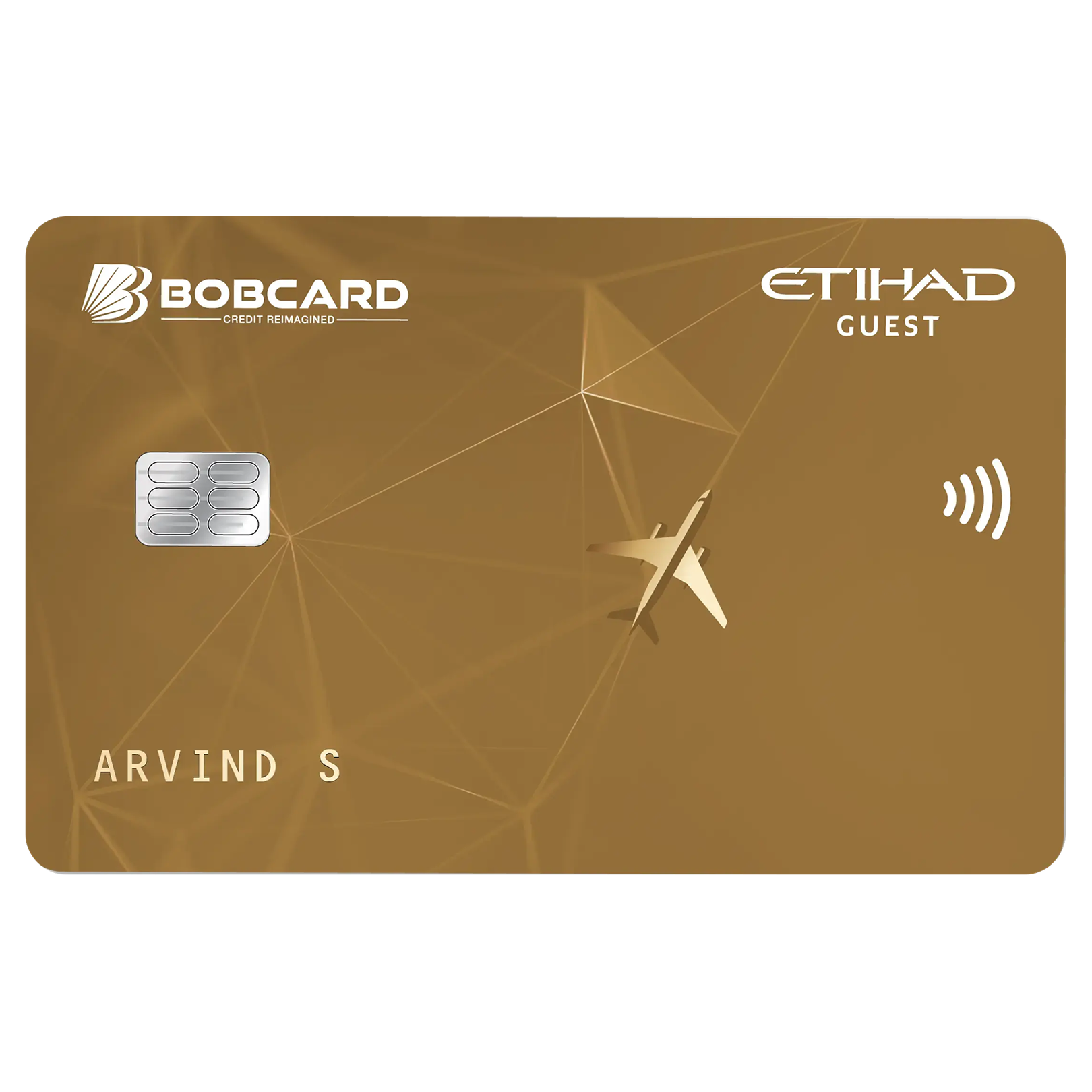
Common examples include airline co-branded cards (Air India SBI, IndiGo Kotak, Etihad Guest BOBCARD), hotel co-branded cards (Marriott Bonvoy Axis, Club ITC SBI), and retail co-branded cards (Amazon Pay ICICI, Flipkart Axis, Myntra Kotak).
The primary advantage of a co-branded card is concentrated earning power on a specific brand. If you fly IndiGo regularly, an IndiGo co-branded card earns significantly more BluChips per rupee spent on IndiGo than a general travel card. The trade-off is reduced flexibility, the high earn rate applies only within the partner's ecosystem.
Who should consider a co-branded card: people with strong brand loyalty, frequent flyers on a specific airline, regular shoppers on a specific platform, or hotel loyalists, who can consistently use the card in ways that maximise the co-brand's elevated earning rate.
Business & Corporate Credit Cards
Business and corporate credit cards are designed for self-employed professionals, business owners, and companies that need to manage business expenditure, track employee spending, and separate business finances from personal accounts.
Business cards typically offer higher credit limits than personal cards, accelerated rewards on business-relevant categories such as travel, hotel stays, office supplies, and telecom, and tools for expense tracking and reporting. Some corporate cards are issued to employees for company expenditure, with centralised billing and controls set by the company administrator.
Tax benefit documentation, GST invoice compatibility, and expense management integrations are features more commonly found on business cards than personal cards. The GST input credit that businesses can claim on certain business expenses adds practical financial value beyond the card's reward programme.
Who should consider a business card: self-employed professionals, freelancers with significant business expenses, small business owners, and companies managing employee travel and operational expenditure.
Student Credit Cards
Student credit cards are entry-level products designed for college students aged 18 and above who have no income or very limited income. They typically carry no annual fee or a nominal one, have low credit limits (₹10,000 to ₹30,000), and are designed primarily to help young adults build a credit history while learning to manage credit responsibly.
Most student cards require either a parent as a guarantor, a co-applicant with income, or are issued against a student's fixed deposit. Some banks offer student cards directly against proof of college enrollment and basic KYC.
Benefits on student cards are modest, basic reward points, a fuel surcharge waiver, and sometimes cashback on specific categories. The real value is not in the rewards but in the CIBIL score building that responsible usage creates over 12 to 24 months.
Who should consider a student card: college students and recent graduates who want to start building a credit history before entering the workforce, so they are eligible for better cards and loan products when their income grows.
Credit Cards with No Annual Fee
Lifetime free (LTF) credit cards carry no joining fee and no annual fee, ever. A growing number of Indian banks offer LTF credit cards, either as permanent products or as limited-period promotional offers where the fee is permanently waived if the card is issued within the offer window.
Many cards that are not technically LTF still become effectively free through annual fee waiver programmes, where spending above a certain threshold in a year results in the annual fee being reversed. These cards are often categorised alongside LTF cards because their effective cost to active cardholders is zero.
The trade-off on no-annual-fee cards is typically a more modest benefit structure compared to fee-paying cards. However, several LTF cards in the Indian market offer meaningful cashback or reward rates, making them a strong choice for people who want credit card benefits without a guaranteed annual commitment.
Credit Cards for Health & Fitness
Health and fitness credit cards are a relatively newer category in India, offering benefits specifically aligned with wellness spending, gym memberships, fitness studio access, doctor consultations, pharmacy purchases, health check-ups, and OTT health platforms.
This category overlaps significantly with premium lifestyle cards. Several premium credit cards in India include fitness benefits as part of their welcome or ongoing package, such as complimentary FitPass Pro memberships, wellness app subscriptions, and discounts at diagnostic centres and hospitals.
Standalone health and fitness credit cards are less common, but the category is growing as more banks recognise wellness as a distinct spending priority for urban professionals. Benefits typically include cashback or accelerated rewards on pharmacy and health spends, complimentary fitness memberships, and access to women's health packages.
Who should consider a health and fitness card: urban professionals who spend regularly on fitness, wellness, and healthcare, particularly those already paying for gym memberships, nutrition coaching, or regular health check-ups.
How Are Credit Cards Categorized in India?
Categorization by Benefits & Rewards
The primary way credit cards are categorised in India is by their core benefit proposition, the main reason someone would choose that card over another. This produces the categories above: cashback (immediate monetary return), rewards (accumulated points for redemption), travel (miles, lounges, and forex savings), fuel (surcharge waiver and pump-specific rewards), and so on.
Within each category, cards are further tiered by fee level and income eligibility. A cashback card at the entry level (₹3–5 lakh income) might offer 1–2% back; a premium cashback card (₹12 lakh+ income) might offer 5% on eligible categories with unlimited offline earning. The category stays the same, the tier determines how generous the benefits are.
Categorization by Network: Visa, Mastercard, RuPay, Amex
Credit cards in India are also categorised by the payment network they operate on. The four major networks are Visa, Mastercard, RuPay, and American Express.
Visa and Mastercard are global networks accepted in over 200 countries and are the most common networks for Indian credit cards. Both offer tiered card variants, Visa Classic, Platinum, Signature, and Infinite; Mastercard Standard, Platinum, World, and World Elite, with higher tiers offering better lounge access programmes, travel insurance, and purchase protection.
RuPay is India's domestic card network operated by NPCI. RuPay credit cards can be linked to UPI apps (Google Pay, PhonePe, BHIM) to make UPI payments at QR code merchants, a capability that Visa and Mastercard credit cards do not have. RuPay's lounge access programme is governed by spending-based tiers updated quarterly.
American Express (Amex) operates its own closed-loop network and is known for premium rewards programmes and high-value lifestyle benefits. Amex card acceptance in India is more limited than Visa or Mastercard, not all merchants accept Amex, but its membership rewards programme is widely valued for travel redemptions.
How to Choose the Right Type of Credit Card
Match Card Type to Your Spending Pattern
The single most important factor in choosing a credit card is whether the card's benefit structure aligns with where you actually spend money. A travel card is wasted on someone who flies once a year. A fuel card is irrelevant to someone who uses public transport. A co-branded airline card delivers its best value only to someone loyal to that specific airline.
Before applying, calculate your monthly spending across categories: online shopping, groceries, dining, fuel, travel, and utilities. Then compare which card type returns the most value on your largest categories. A simple calculation, monthly spend in each category × reward rate × redemption value, will tell you which card type generates the highest annual return for your specific pattern.
Compare Annual Fee vs Benefits Before Applying
Annual fee is only meaningful in relation to the benefits the card provides. A card with a ₹5,000 annual fee that delivers ₹20,000 in benefits is a better deal than a ₹500 fee card that delivers ₹800 in benefits, if you can actually use those benefits.
The key question is not 'what is the annual fee?' but 'can I recover the annual fee from this card's benefits given my spending pattern?' For most active cardholders, the answer should be yes within the first two to three months of card usage. If not, the card may not be the right fit.
Also evaluate fee waiver conditions, many cards waive the annual fee entirely if you meet an annual spending threshold. If the threshold is achievable for you, the card's effective annual fee is zero regardless of the stated fee.
Beginner vs Advanced, Which Card Type to Start With
For first-time credit card holders, the priority is not maximising rewards, it is building a credit history and learning to manage a billing cycle responsibly. The right starting point is either a secured card (if income or credit history is limited), a student card (if enrolled in college), or a lifetime free entry-level card with a modest rewards or cashback structure.
After 12 to 18 months of responsible usage, paying the full outstanding every month, keeping utilisation below 30%, a cardholder's CIBIL score typically improves enough to qualify for mid-range and eventually premium cards. Advanced cardholders often maintain two to three cards simultaneously: one for everyday cashback, one for travel benefits, and one for a specific co-brand or lifestyle category.
Apply for a BOBCARD Credit Card
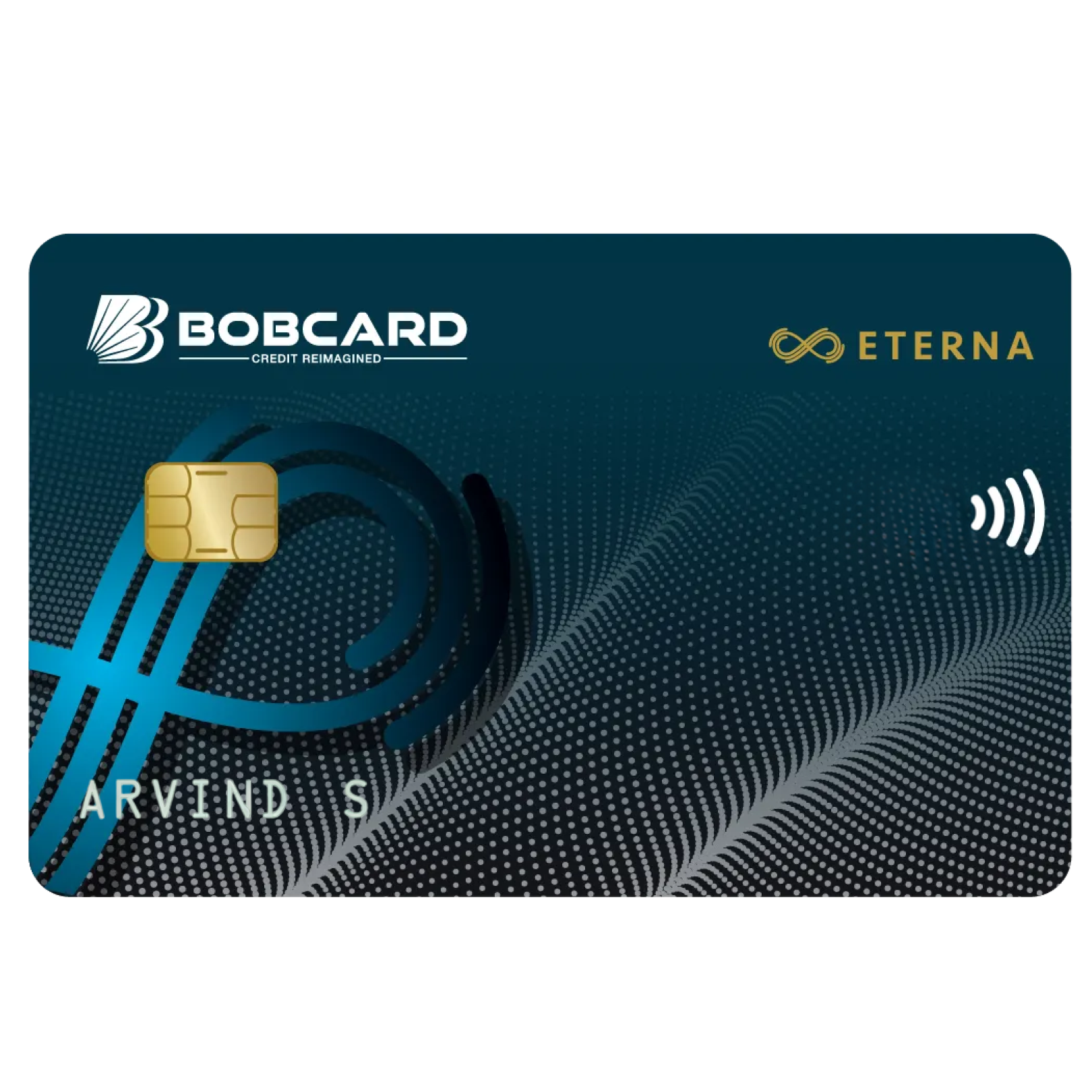
BOBCARD is the credit card division of Bank of Baroda, one of India's largest public sector banks. Apply 100% online in 3 steps: online form → Aadhaar eSign → Video KYC. No branch visit needed.
BOBCARD offers credit cards across every major category covered in this guide, from cashback and rewards cards for everyday spending to premium cards with unlimited domestic lounge access and fitness benefits. Cards are available from ₹4.8 lakh annual income upward, with Lifetime Free options available on select variants.
Frequently Asked Questions
Disclaimer: This article is for general informational and educational purposes only. All card comparisons and category descriptions are based on market information available as of March 2026 and are intended for general educational purposes only. Card features, fees and eligibility criteria are subject to change. Always verify current terms with the respective card issuer before applying. Features, eligibility and offers subject to terms on bobcard.co.in. Verify current details before applying.