
Table of Contents
- The Foundation of Trust: BOBCARD’s Institutional Security Framework
- Pillar 1: Advanced In-App Card Controls – Taking Command of Your Card
- Pillar 2: Understanding Your Safety Net – The Zero Liability Policy
- Pillar 3: Mastering Safe Usage Practices – The Human Firewall
- Pillar 4: Rapid Response and Emergency Contacts
- Conclusion: The Synergy of Security
- Where to Find Accurate Information
Maintaining robust security for your financial instruments in the modern digital landscape is a shared responsibility, a synergistic partnership between the financial institution and the cardholder. While BOBCARD employs state-of-the-art encryption, biometric authentication, and institutional safeguards, the effectiveness of this system hinges on the cardholder's vigilance. In 2026, protecting your account requires mastering four core pillars: leveraging advanced digital controls provided by the bank, understanding the scope of your Zero Liability coverage, adhering strictly to safe usage practices, and knowing precisely who to contact in an emergency. This comprehensive guide details the technical safeguards put in place for bob credit card security and the practical steps you must adopt to ensure complete bob card online safety and robust protection against fraud.
The Foundation of Trust: BOBCARD’s Institutional Security Framework
Before discussing the controls available to the cardholder, it is essential to understand the institutional security protocols that form the bedrock of BOBCARD operations. These are the mandatory, often invisible, layers of protection implemented by the bank to secure transactions and customer data worldwide.
EMV Chip and PIN Technology
The foundational security standard for physical cards today is the Europay, MasterCard, and Visa (EMV) chip. Unlike older magnetic stripe cards, which stored static, easily cloned data, the EMV chip generates a unique, one-time cryptogram for every transaction.
This mechanism fundamentally prevents counterfeiting, a concept known as dynamic data authentication. When you insert your BOBCARD into a Point-of-Sale (POS) machine or ATM, the chip and the terminal engage in a secure handshake. If a fraudster attempts to copy the magnetic stripe data and use it elsewhere, the transaction will fail because the required cryptogram for that specific transaction cannot be reproduced. The addition of the 4-digit PIN further ensures that only the authorized user can initiate transactions, cementing the high standard of bob transaction security for physical use.
PCI DSS Compliance and Data Encryption
BOBCARD, as part of a globally recognized banking group, adheres rigorously to the Payment Card Industry Data Security Standard (PCI DSS). This standard mandates specific technical and operational requirements to protect cardholder data.
Compliance involves multiple layers of protection:
- Network Security: Implementing firewalls and robust router configurations to shield cardholder data from external threats.
- Data Protection: All stored cardholder data, including card numbers and personal identifiers, is encrypted using industry-leading protocols (AES-256).
- Access Control: Strict policies limiting who inside the organization can access card details, ensuring every interaction is logged and audited.
- Vulnerability Management: Regular testing and monitoring of all systems to proactively identify and patch security weaknesses before they can be exploited.
These institutional measures ensure that even if a data breach were to occur at a third-party merchant, the sensitive data related to your BOBCARD remains protected by layers of encryption and control.
Pillar 1: Advanced In-App Card Controls – Taking Command of Your Card
One of the most significant advancements in modern bob credit card security is the shift of control directly into the cardholder's hands via the BOBCARD Mobile App or the dedicated Customer Portal. This suite of features empowers you to act as your own security administrator, managing risk dynamically and in real-time.
Granular Control Toggles
The App allows for surgical precision in managing where and how your card can be used. This is critical for preventing unauthorized usage in specific channels, especially if you rarely use certain transaction types.
| Transaction Type | Functionality | Recommended Use Case | Security Benefit |
|---|---|---|---|
| Online (E-commerce) | Enable/Disable all internet purchases. | Disable when not actively shopping online. | Prevents remote fraud if card details are compromised. |
| Contactless (NFC) | Enable/Disable tap-to-pay transactions (usually up to ₹5,000). | Disable if concerned about skimming or unauthorized proximate transactions. | Reduces risk of low-value, unauthorized point-of-sale theft. |
| International | Enable/Disable transactions outside the country (POS, ATM, Online). | Only enable immediately before and during international travel. | Total isolation from global card fraud networks when residing domestically. |
| ATM Access | Enable/Disable cash withdrawal services. | Disable if cash withdrawals are rare or never needed. | Prevents unauthorized cash access if the card is stolen. |
By defaulting these controls to "Off" and only switching them "On" moments before a required transaction, you significantly minimize the time window available for fraudulent activity.
Dynamic Spending Limits and Velocity Checks
Beyond simply blocking transaction types, the BOBCARD App allows you to customize the daily expenditure limits for your card across various channels (POS, ATM, and Online).
- Minimising Potential Loss: If your standard limit is ₹2,00,000 per day, but your typical spending never exceeds ₹50,000, you can manually lower the limit to ₹50,000. This action dramatically limits the financial damage resulting from a successful hacking attempt or theft.
- Velocity Checks: The system also employs background "velocity checks." These are algorithms that monitor the frequency and pattern of transactions. If the system detects a sudden surge in transaction volume, rapid sequential spending, or multiple high-value attempts in quick succession (which deviates sharply from your established spending profile), the transaction may be automatically flagged, or the card temporarily frozen until verified, adding another layer of bob transaction security.
Immediate Locking Mechanisms
The most critical feature for managing a lost or misplaced card is the ability to lock it instantly. Time is the enemy when a card is missing, and the seconds saved by using the app, rather than waiting on a phone queue, can save thousands.
- Temporary Block: If you have simply misplaced your card (e.g., left it at home, or cannot find it in your wallet), the temporary block instantly freezes all transaction capabilities. Once the card is located, you can instantly unblock it through the app without needing to wait for a replacement.
- Permanent Block: If you are certain the card is stolen or permanently lost, you must use the "Permanent Block" feature immediately. This action not only freezes the card but initiates the reissue process, rendering the lost card useless forever. This rapid response capability is a cornerstone of effective bob card online safety management.
Pillar 2: Understanding Your Safety Net – The Zero Liability Policy
The Zero Liability Policy offered by BOBCARD is the essential safety net designed to protect cardholders from financial loss due to unauthorized transactions. It provides assurance that you will not be held financially responsible for purchases you did not make, provided certain conditions are met.
Conditions for Qualification
To successfully invoke the Zero Liability protection, immediate and thorough action is paramount. The policy hinges on the timeliness of your reporting:
- Immediate Reporting: You must report the loss, theft, or suspicion of fraudulent activity to BOBCARD immediately upon discovery. Delays can be detrimental, especially in cases where micro-transactions are used to test the card before a large fraudulent purchase.
- Cooperation: The cardholder must fully cooperate with the bank's investigation into the fraudulent charges. This may include filling out necessary forms, providing details of the last legitimate transaction, and confirming details about your phone activity during the period of fraud.
- Non-Negligence: The policy does not cover instances where the cardholder has been found grossly negligent for example, sharing the PIN or OTP with a third party, or writing the PIN directly on the card. Zero Liability covers acts of fraud perpetrated externally, not fraud enabled by the cardholder’s intentional breach of basic security rules.
Distinguishing Between Standard and Premium Coverage
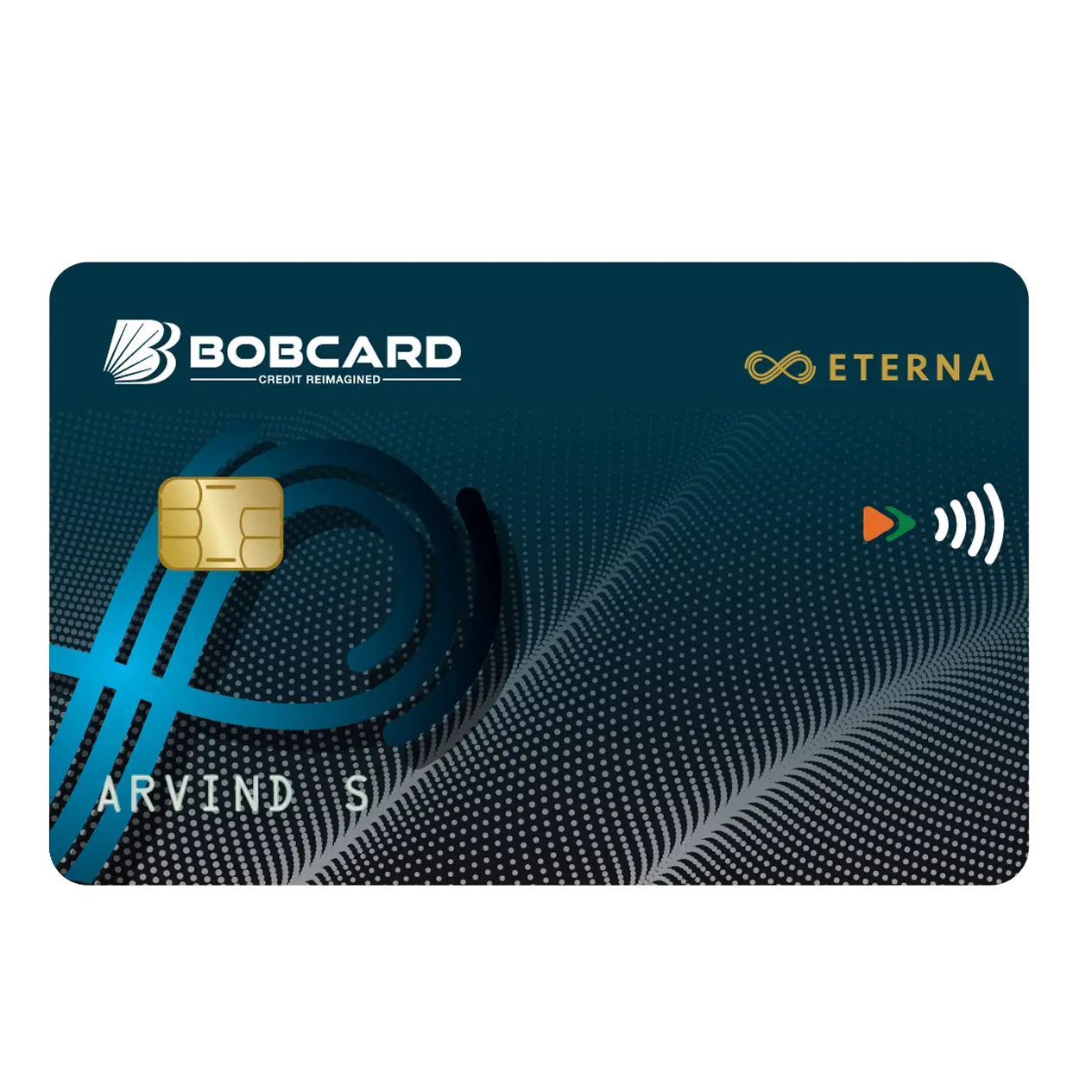
While the standard Zero Liability Policy covers unauthorized transactions after the loss or theft is reported, premium cards like the BOBCARD Eterna or Premier often include enhanced purchase protection features.
These enhancements typically include:
- Pre-Reporting Coverage: Some premium tiers may offer protection for unauthorized transactions that occurred within a short time window before the card loss was reported, provided the cardholder acted responsibly.
- Purchase Protection: Coverage against accidental damage or theft of goods purchased using the card, usually valid for 90 to 180 days from the date of purchase.
- Lost Card Liability: Higher maximum thresholds for coverage in the event of complex or international fraud schemes.
Understanding the specific terms and conditions applicable to your particular BOBCARD variant is crucial for maximizing your protection.
The Dispute Resolution Process
When unauthorized transactions appear, the dispute process follows a standardized, investigative pathway:
- Reporting and Blocking: The card is immediately blocked, and a formal dispute is lodged, initiating the Zero Liability claim.
- Temporary Credit: In most cases, BOBCARD will issue a temporary credit for the disputed amount, ensuring the cardholder’s liquidity is not immediately affected while the investigation proceeds.
- Investigation: The bank works with the payment network (Visa/MasterCard) and the acquiring bank (the bank of the fraudulent merchant) to retrieve transaction details, including merchant IDs and terminal locations.
- Final Resolution: If the investigation confirms the transactions were unauthorized and the cardholder was not negligent, the temporary credit becomes permanent. This process typically adheres to timelines mandated by the Reserve Bank of India (RBI) guidelines on customer liability in unauthorized electronic banking transactions.
Pillar 3: Mastering Safe Usage Practices – The Human Firewall
No technology, however advanced, can fully protect an individual who ignores fundamental security protocols. The single greatest vulnerability in any financial transaction system is the human element. Effective bob card online safety requires rigorous adherence to personal security habits.
Protecting Your Credentials (PIN, CVV, and OTP)
This is the most direct line of defense against fraud and the most common vector for successful social engineering attacks.
- PIN Confidentiality: Your 4-digit Personal Identification Number (PIN) is proof of your physical presence. It should be memorized, never written down, and never shared. When using ATMs or POS terminals, always shield the keypad to prevent "shoulder surfing."
- CVV Security: The Card Verification Value (CVV) is the three-digit code on the back of your card, essential for card-not-present (online) transactions. Be highly selective about where you input this number, and never save it on websites that do not utilize tokenisation.
- OTP (One-Time Password): The OTP is the final authorization layer, especially for 3D Secure/SafeKey transactions. An OTP is proof that the transaction is being authorized by the device linked to the account. Never, under any circumstance, share an OTP with anyone, even if they claim to be a BOBCARD representative, an RBI official, or a police officer trying to "help" you secure your account.
The Tokenisation Mandate and Enhanced Digital Security
The RBI-mandated framework for Card-on-File (CoF) Tokenisation has fundamentally elevated bob card online safety. When you save your BOBCARD details on a merchant platform (like a streaming service, food delivery app, or e-commerce site), your actual 16-digit card number is no longer stored by the merchant.
Instead, the following occurs:
- Substitution: The merchant sends your card details to the payment network (Visa/MasterCard).
- Token Generation: The network generates a unique, encrypted substitute known as a "Token."
- Secure Storage: The merchant stores only this Token.
- Usage: The Token is used for subsequent transactions. If the merchant’s database is hacked, the fraudsters retrieve only the useless Token, not the actual primary account number (PAN).
Always opt for tokenisation when prompted by a merchant or platform. It is the single best technological defense against widespread data breaches affecting consumer details.
Navigating the Cyber Threat Landscape: Phishing, Vishing, and Smishing
Fraudsters constantly evolve their methods, primarily relying on social engineering to trick users into divulging their bob credit card security details.
Phishing and Spear Phishing (Email/Web)
These attempts involve deceptive emails or websites designed to mimic legitimate institutions. They often contain urgent warnings about account suspension or KYC updates, directing you to a fake login page where your credentials are stolen.
- Defense: Always verify the sender’s email address. Never click links in suspicious emails. Navigate directly to the official BOBCARD website or app instead of using links provided in unsolicited communications.
Vishing (Voice Phishing)
Vishing involves phone calls from individuals claiming to be bank employees, often using sophisticated spoofing technology to display the bank's official number on your caller ID. They may ask for your card number, expiry date, or OTP under the guise of "verification."
- Defense: BOBCARD staff will never ask for your PIN, CVV, or OTP. If you receive such a call, hang up immediately and call the official bank helpline numbers (listed below) to verify the authenticity of the query.
Smishing (SMS Phishing)
Smishing uses urgent SMS messages about lottery winnings, refunds, or account blocks, containing a malicious link designed to install malware or redirect you to a phishing site.
- Defense: Treat unsolicited SMS links with extreme suspicion. Never download files or applications suggested by unexpected text messages.
Physical Security Checklist
Even in the digital age, physical card security remains essential for robust bob transaction security:
- Inspection: Always inspect POS machines and ATMs for skimming devices (e.g., bulky card slots or extra keypads) before inserting your card.
- Signature Panel: Sign the signature panel on the back of your card immediately upon receipt.
- Receipt Management: Retain or immediately shred transaction receipts. They can contain partial card information that aids in fraud construction.
- Watch Your Statement: Monitor your bank statement monthly (or ideally, weekly via the App) for small, unusual transactions. Fraudsters often test stolen cards with micro-charges before executing a large theft.
Pillar 4: Rapid Response and Emergency Contacts
In the event of suspected fraud, immediate action is the most critical factor in limiting financial loss and maximizing the applicability of the Zero Liability Policy. Knowing exactly how and where to report is non-negotiable for effective bob credit card security.
If you suspect any unauthorized activity or the loss/theft of your BOBCARD, proceed directly through the following channels:
Immediate BOBCARD Helpline
The primary and fastest means of contact is the dedicated 24/7 helpline, where agents can instantly block your card:
- 24/7 Helpline Numbers: 1800 266 5100 or 1800 1210.
Digital Communication and Formal Reporting
If the phone lines are busy or if you need to provide detailed documentation of a disputed transaction, use the official email channel:
- Email Support: Send comprehensive details of disputed transactions, along with relevant timestamps and transaction IDs, to crm@bobcard.co.in. Ensure your contact details are included so the investigation team can reach you swiftly.
National Cyber Crime Reporting
In India, complex cyber fraud (especially those involving Vishing or sophisticated data theft) should also be reported to national authorities. This step is often required for police verification or insurance purposes:
- National Cyber Crime Helpline: Register your complaint immediately on the dedicated government portal or call 1930. This ensures the case is logged with the relevant law enforcement agencies for tracking and potential recovery.
Conclusion: The Synergy of Security
The architecture of modern financial security, particularly concerning your BOBCARD, is built upon the synergy between state-of-the-art technological defense and conscientious user behavior. BOBCARD provides the fortified platform from EMV chips and tokenisation mandates to institutional PCI DSS compliance and a robust Zero Liability shield.
The responsibility now rests with you, the cardholder, to be the active manager of your security profile. By diligently using the BOBCARD App’s control toggles, maintaining strict confidentiality over your PIN and OTP, and recognizing the evolving tactics of cybercriminals, you solidify your bob card online safety and ensure that your experience with your BOB Credit Card remains secure, trustworthy, and uninterrupted. Security is not a feature you use once; it is a discipline you practice daily.
Where to Find Accurate Information
- Official MITC Documents: www.bobcard.co.in (download for your specific card)
- BOBCARD FAQ: www.bobcard.co.in/faqs
- Fee Schedule: www.bobfinancial.com/fees-charges.jsp
- Customer Care: 1800 2665 100 (ask specific questions before applying)
- RBI Guidelines: rbi.org.in for credit card regulations and consumer rights
Disclaimer
The contents of this article are meant solely for informational and educational purposes and do not constitute financial advice. The explanations provided are simplified for general understanding and may not cover all terms and conditions applicable to specific BOBCARD variants.
Interest rates, fees, reward structures, and other features mentioned are indicative and subject to change. For complete and current terms, please refer to the official MITC document for your specific card at www.bobcard.co.in.
BOBCARD Limited/Bank of Baroda shall not be responsible for any decisions made based on this article. Please consult the official documents and, if needed, a financial advisor before making any credit decisions.
*Terms and Conditions Apply.