
Table of Contents
Navigating the world of credit cards often feels like a constant evaluation of rewards, fees, and benefits. Sticking with a Bank of Baroda (BOB) credit card for the long term can be a strategic financial move, provided you understand the landscape. Like a well-managed investment, a long-term BOB credit card can yield significant returns, but it also requires vigilance to avoid potential pitfalls. This guide dives deep into the pros and cons of BOB card longevity, helping you make informed decisions about whether to stay the course or explore other options.
We'll explore the tangible advantages of building credit history, the hidden risks of dormant accounts, and the critical factors that should influence your choice.
The Enduring Perks of BOB Card Longevity
One of the most compelling reasons to maintain a BOB credit card over the long term lies in the benefits it offers to your creditworthiness and financial standing. These advantages accrue over time, rewarding consistent and responsible card usage.
Credit Score "Anchor": Building a Solid Foundation
Your oldest credit card account serves as a cornerstone of your credit history. This "credit age" is a significant factor in determining your credit score.
- Impact on Credit History Length: Credit bureaus consider the age of your oldest account, the average age of all your accounts, and the age of your newest account. Closing your oldest BOB card can drastically reduce your average credit age, potentially lowering your credit score.
- FICO Scoring Model: FICO, the most widely used credit scoring model, considers credit history length as a key component. A longer credit history generally translates to a higher credit score.
- Maintaining a Positive Credit Mix: While not directly related to age, keeping an older BOB card open can contribute to a healthy credit mix, especially if you have other types of credit accounts like loans or mortgages.
Negotiation Leverage: Loyalty Pays Off
Long-term customers often enjoy preferential treatment from financial institutions. With a proven track record of responsible credit card use, you gain leverage when negotiating with Bank of Baroda.
- Annual Fee Waivers: A long history of on-time payments can make you eligible for annual fee waivers, especially on cards that typically charge a fee. Contact BOB's customer service and highlight your loyalty to potentially have the fee waived.
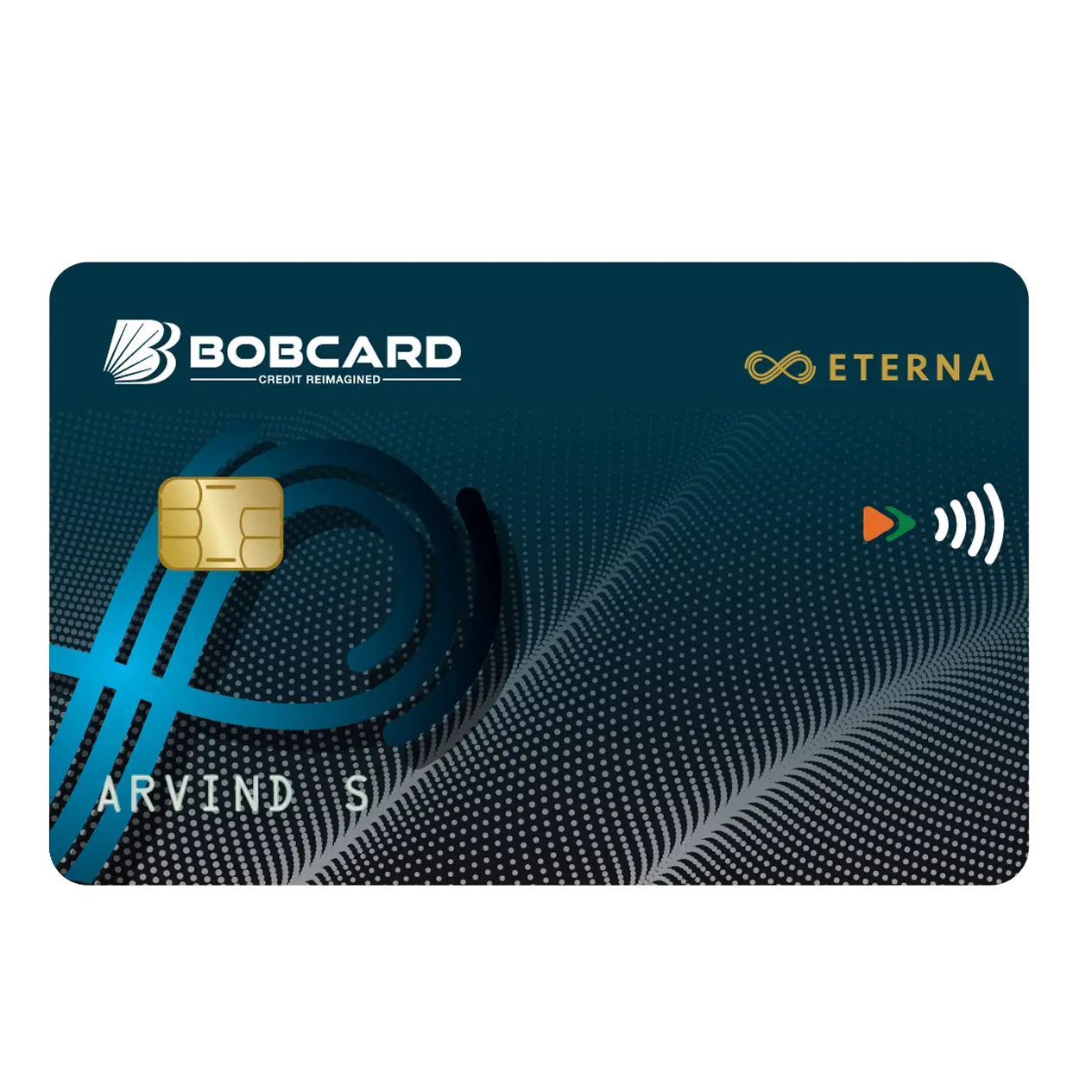
- Upgrade Opportunities: BOB may offer you upgrades to premium credit card variants, such as Eterna or Varunah, which come with enhanced rewards, travel benefits, and higher credit limits. These upgrades are often offered to long-term customers as a reward for their loyalty.
- Lower Interest Rates: While less common, you might be able to negotiate a lower interest rate on your BOB credit card if you have a long and positive payment history. This can save you money on interest charges if you occasionally carry a balance.
Enhanced Limits: Increased Purchasing Power
Consistent and responsible use of your BOB credit card can lead to credit limit increases over time. This increased purchasing power offers several benefits.
- Lower Credit Utilization Ratio: Credit utilization ratio, the amount of credit you're using compared to your total available credit, is a significant factor in your credit score. A higher credit limit automatically lowers your credit utilization ratio, even if your spending remains the same.
- Improved Creditworthiness: A higher credit limit demonstrates to other lenders that you are a responsible borrower and that BOB trusts you with a larger line of credit. This can improve your creditworthiness and make you more attractive to other lenders.
- Greater Financial Flexibility: A higher credit limit provides greater financial flexibility, allowing you to make larger purchases or handle unexpected expenses without exceeding your credit limit.
The Potential Pitfalls of Long-Term BOB Card Ownership
While there are undeniable benefits to keeping a BOB credit card for the long haul, it's crucial to be aware of the potential risks and downsides. Neglecting these factors can lead to financial losses and even compromise your credit security.
"Zombie" Accounts: The Silent Threat
Inactive or dormant credit cards can pose a significant risk, particularly if they are not monitored regularly.
- Increased Fraud Risk: Dormant cards are prime targets for fraudulent activity. Since you're not actively using the card, you might not notice unauthorized transactions until it's too late.
- Account Closure and Credit Score Impact: BOB may close your credit card account if it remains inactive for an extended period. While not as detrimental as closing your oldest account, this can still negatively impact your credit score by reducing your overall available credit.
- Unnoticed Fee Charges: Some BOB credit cards may have inactivity fees or other charges that apply even if you're not using the card. These fees can accumulate over time and lead to unexpected expenses.
Reward Point Expiration: Don't Leave Money on the Table
Many BOB credit cards offer reward points for purchases, but these points often have an expiration date. Failing to redeem them in time means losing out on valuable rewards.
- Typical Expiration Periods: Most BOB Reward Points expire after 24 to 36 months. The exact expiration period varies depending on the specific card variant.
- Tracking Reward Points: It's essential to keep track of your reward point balance and expiration dates. Use the BOB Card mobile app or online portal to monitor your points and set reminders to redeem them before they expire.
- Maximizing Reward Point Value: Redeem your reward points for travel, merchandise, gift cards, or statement credits to maximize their value. Avoid letting them expire unused.
Stagnant Benefits: Outdated Perks
A BOB credit card that was once a great fit for your lifestyle may become less relevant over time as your needs and spending habits change.
- Evolving Needs: Your travel patterns, spending categories, and financial goals may evolve over time. A BOB credit card that offered valuable rewards five years ago may no longer be the best option for your current needs.
- Newer and Better Options: The credit card market is constantly evolving, with new cards offering more attractive rewards, benefits, and features. Sticking with an old card might mean missing out on better opportunities.
- Lost Opportunities: By not exploring newer credit card options, you could be missing out on valuable travel perks, lounge access, higher reward rates, or other benefits that could significantly enhance your lifestyle.
Deciding When to Keep or Close Your BOB Card
The decision of whether to keep or close your BOB credit card depends on a variety of factors, including your credit history, financial goals, and current needs. Here's a guide to help you weigh the pros and cons.
Keep Your BOB Card If...
- It's Your Oldest Active Credit Account: Preserving your credit history length is crucial for maintaining a good credit score.
- It's a Life-Time Free (LTF) Card: There's no cost to keeping a Life-Time Free card open, and it can contribute to your overall available credit.
- You Plan to Apply for a Home Loan Soon: Stability in your credit profile is essential when applying for a mortgage. Closing a credit card account can disrupt your credit score and potentially affect your loan approval.
- You Use It Regularly and Pay On Time: Consistent and responsible use of your BOB credit card demonstrates financial responsibility and can lead to credit limit increases and other benefits.
- The Rewards Still Align with Your Spending: If the card's rewards program still aligns with your spending habits and you're able to redeem them effectively, it's worth keeping the card.
Close or Upgrade Your BOB Card If...
- The Annual Fee Outweighs the Rewards You Earn: If you're paying a significant annual fee but not earning enough rewards to offset the cost, it's time to consider closing or downgrading the card.
- You've Consistently Moved to Premium Cards with Better Perks: If you've upgraded to cards with superior rewards and benefits, the old card may no longer serve a purpose.
- You Have Too Many Cards and Can't Monitor Them for Fraud: Managing multiple credit cards can be challenging. If you're struggling to keep track of your accounts and monitor them for fraudulent activity, it's best to close some of them.
- The Card's Benefits No Longer Align with Your Needs: If your spending habits or lifestyle have changed, the card's rewards program may no longer be relevant.
- You're Tempted to Overspend: If you find yourself overspending on the card or struggling to pay your balance on time, it's best to close the account to avoid accumulating debt.
Pro-Tip: Downgrade Instead of Closing
If you're considering closing an old BOB credit card with a high fee but a valuable credit history, consider downgrading to a no-fee version instead. This allows you to maintain your credit age while eliminating the cost of the annual fee. Contact the BOBCARD Helpline and ask to "Downgrade" your card to a no-fee variant.
BOB Card Comparison Table
| Feature | Advantage | Disadvantage |
|---|---|---|
| Credit Age | Builds a strong credit history, improving credit score. | Closing it reduces credit age, potentially lowering credit score. |
| Annual Fees | Some cards offer waivers for long-term customers. | Can become costly if rewards don't offset the fee. |
| Reward Points | Accumulate over time, offering redemption options. | Can expire if not tracked and redeemed. |
| Credit Limit | Increases over time, lowering credit utilization. | Can lead to overspending if not managed carefully. |
| Fraud Protection | Protection against unauthorized transactions. | Requires active monitoring to detect fraudulent activity. |
| Customer Service | Potentially better service for long-term customers. | Can be inconsistent. |
| Stagnant Benefits | Newer cards may offer better rewards and features. | May not align with changing needs and spending habits. |
Conclusion: Making the Right Choice for Your Financial Future
Deciding whether to stick with a BOB credit card for the long term is a personal decision that requires careful consideration of your financial circumstances, credit history, and evolving needs. By understanding the benefits and risks outlined in this guide, you can make an informed choice that aligns with your financial goals and helps you build a strong and secure financial future. Remember to regularly review your credit card usage, monitor your reward points, and explore newer options to ensure that your BOB credit card continues to serve your best interests. Always check bobcard.co.in for the most accurate and up-to-date information on BOB credit card features and policies.
Where to Find Accurate Information
- Official MITC Documents: www.bobcard.co.in (download for your specific card)
- BOBCARD FAQ: www.bobcard.co.in/faqs
- Fee Schedule: www.bobfinancial.com/fees-charges.jsp
- Customer Care: 1800 2665 100 (ask specific questions before applying)
- RBI Guidelines: rbi.org.in for credit card regulations and consumer rights
Disclaimer
The contents of this article are meant solely for informational and educational purposes and do not constitute financial advice. The explanations provided are simplified for general understanding and may not cover all terms and conditions applicable to specific BOBCARD variants.
Interest rates, fees, reward structures, and other features mentioned are indicative and subject to change. For complete and current terms, please refer to the official MITC document for your specific card at www.bobcard.co.in.
BOBCARD Limited/Bank of Baroda shall not be responsible for any decisions made based on this article. Please consult the official documents and, if needed, a financial advisor before making any credit decisions.
*Terms and Conditions Apply.