
Table of Contents
- Myth #1: Credit Cards Inevitably Lead to Debt
- Myth #2: You Need Existing Credit to Get a BOB Credit Card
- Myth #3: Cash Withdrawals from Credit Cards are Interest-Free
- Myth #4: Closing Unused Credit Cards Improves Your Credit Score
- Myth #5: You Can't Earn Rewards on EMI Purchases
- Myth #6: Carrying a Balance Helps Build Credit Faster
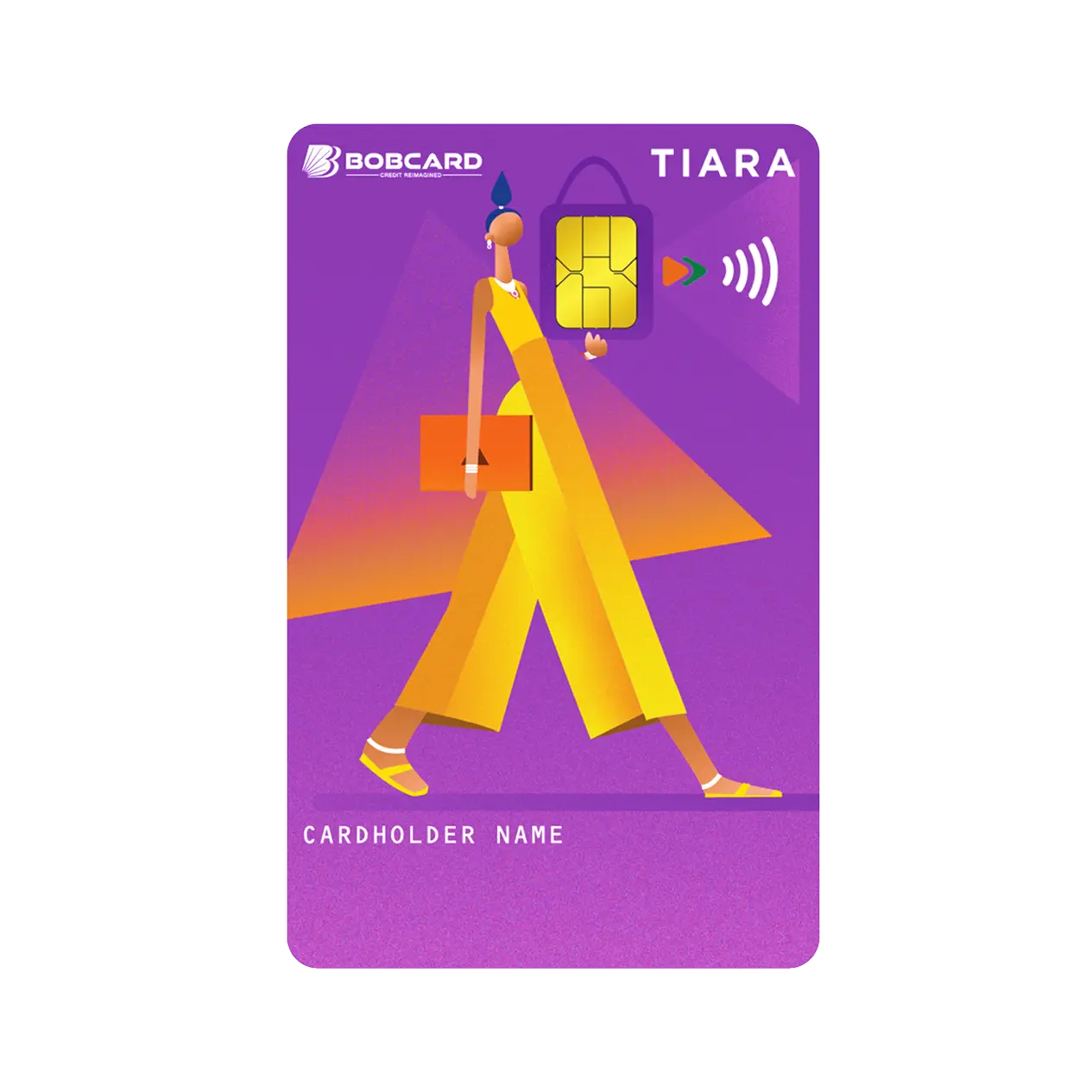
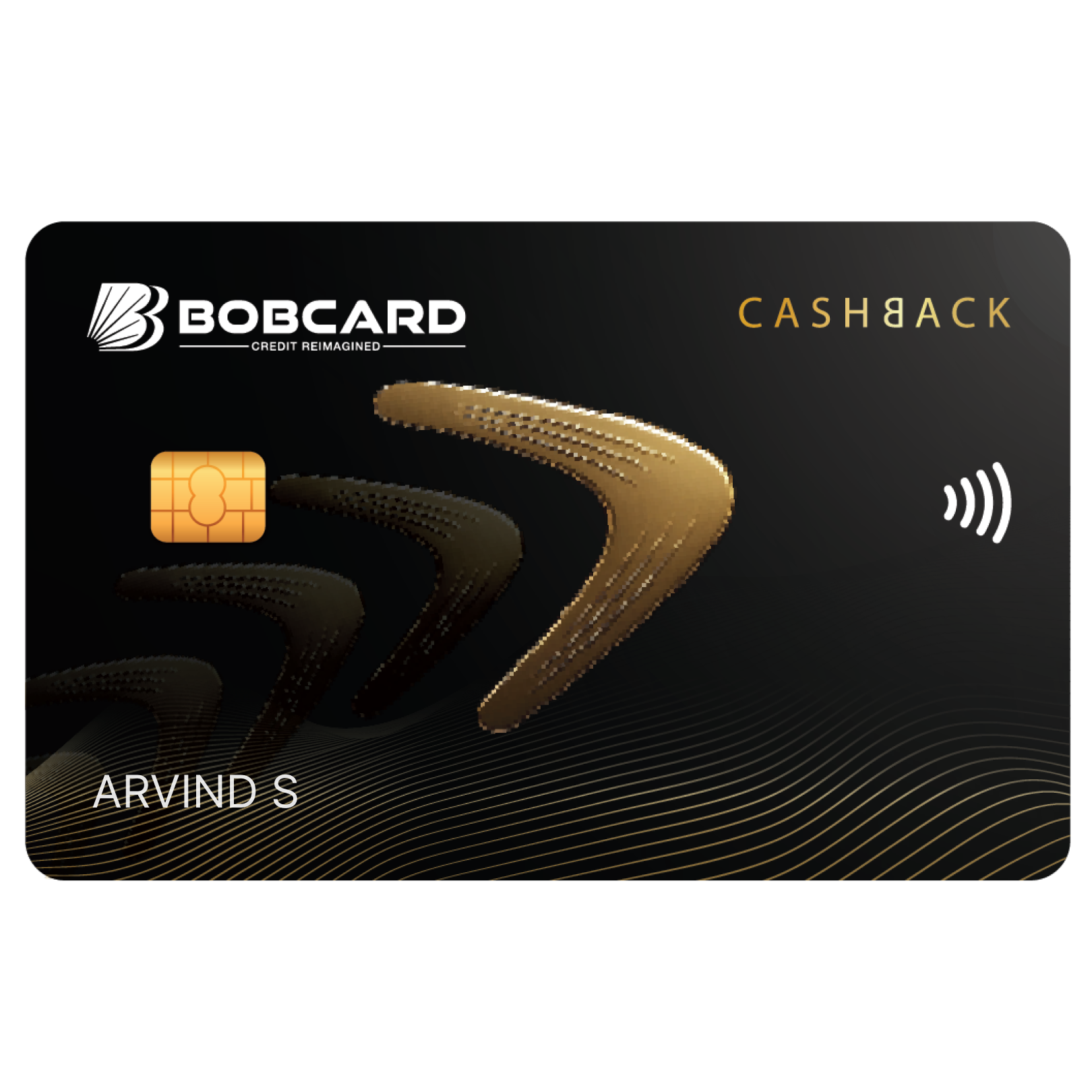
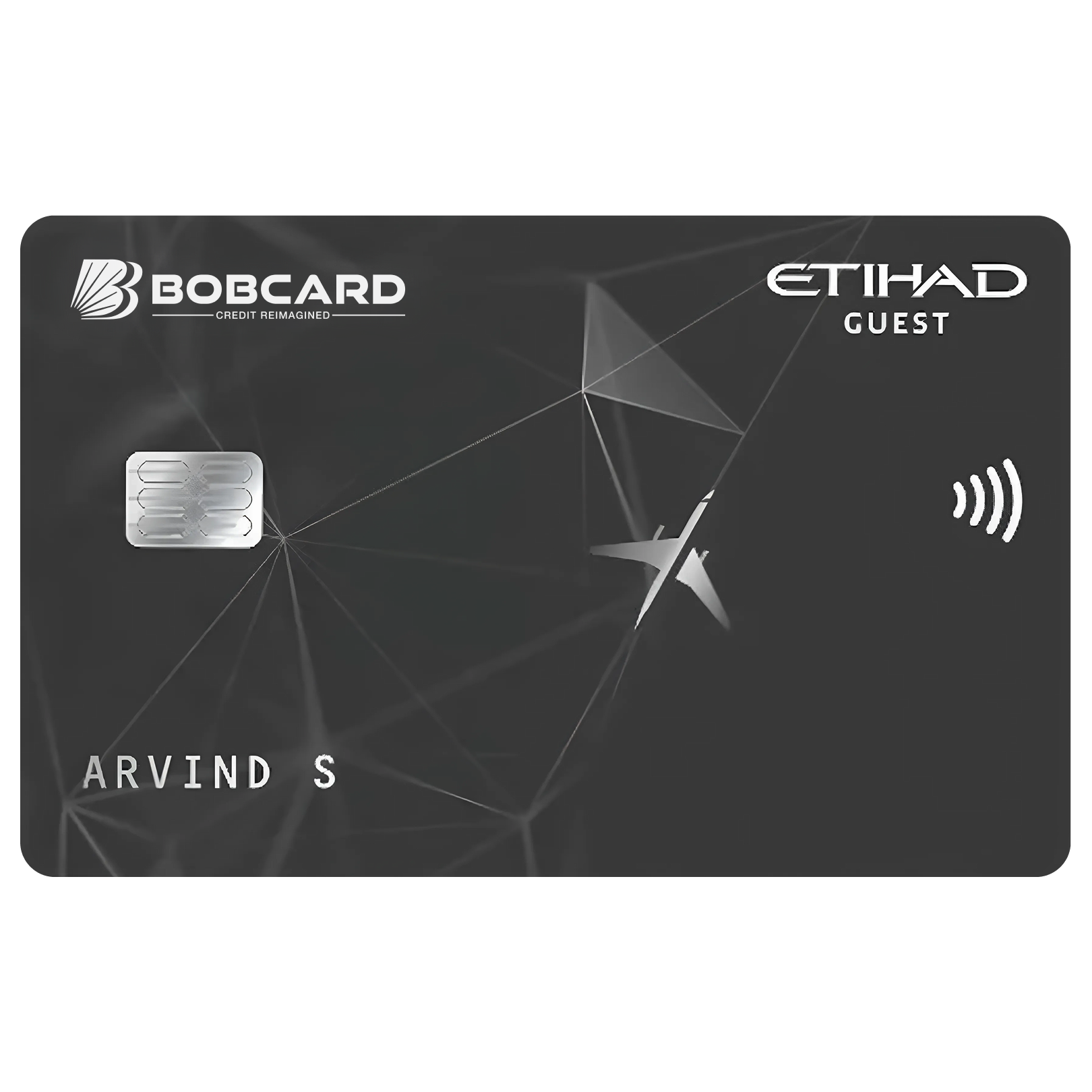
- Myth #7: All BOB Credit Cards Are the Same
- Conclusion: Empowering Informed Decisions About BOB Credit Cards
Many misconceptions surround BOB (Bank of Baroda) credit cards, often painting them as instruments of high costs and inescapable debt. However, these perceptions often obscure the reality: BOB Financial offers a suite of credit card solutions, including secured cards and low-interest options, designed to build credit, reward responsible spending, and provide convenient EMI options. The key lies in understanding how to use these cards responsibly, a practice that not only avoids high-interest charges but actively contributes to a healthier credit score. Let's dismantle these "bob credit card myths" and reveal the truth behind BOB cards.
Myth #1: Credit Cards Inevitably Lead to Debt
This is perhaps the most pervasive of all "bob card misconceptions." The truth is, credit cards themselves don't cause debt; mismanagement does.
The Reality: Responsible Use Builds Credit, Not Debt
- Paying in Full and On Time: The single most effective way to avoid credit card debt is to pay your statement balance in full, every month, and always before the due date. This way, you avoid accruing interest charges altogether.
- Budgeting and Tracking Expenses: Use your BOB credit card as a convenient payment tool, but always stay within your budget. Track your spending regularly using online banking or mobile apps to ensure you don't overspend.
- Avoiding Overspending: Don't use your credit card to buy things you can't afford. Treat it like a debit card, spending only what you have available.
- Understanding Credit Utilization: Your credit utilization ratio (the amount of credit you're using compared to your total credit limit) significantly impacts your credit score. Keep it below 30% for optimal results. For example, if you have a BOB credit card with a ₹100,000 limit, aim to keep your outstanding balance below ₹30,000.
- Credit Limit Management: Don't max out your card. High utilization signals risk to lenders.
Data-Backed Reasoning
Credit bureaus prioritize responsible repayment history. Consistently paying your BOB credit card on time demonstrates financial discipline and builds a positive credit history, which is crucial for securing loans, mortgages, and even favorable insurance rates in the future. Studies show that individuals who use credit cards responsibly and maintain low credit utilization scores have significantly higher credit scores than those who don't.
Myth #2: You Need Existing Credit to Get a BOB Credit Card
Many believe that obtaining a credit card requires a pre-existing credit history, creating a Catch-22 situation for those just starting.
The Reality: BOB Offers Options for Credit Beginners
- Entry-Level Credit Cards: BOB Financial offers specific credit cards designed for individuals with limited or no credit history. These cards often have lower credit limits and may require a slightly higher interest rate initially, but they provide an excellent opportunity to establish credit.
- Secured Credit Cards: A secured credit card requires a cash deposit as collateral. This deposit serves as your credit limit. Because the card is secured, approval is typically easier, even with no credit history. BOB may offer secured card options; check with BOB Financial for details.
- Building Credit with Other Methods: While a BOB credit card is a great tool, also consider:
- Becoming an authorized user on a responsible family member's or friend's credit card.
- Taking out a credit-builder loan from a bank or credit union.
Data-Backed Reasoning
Financial institutions recognize the need to provide credit access to individuals starting their financial journey. Entry-level and secured credit cards are specifically designed to bridge this gap, allowing users to demonstrate responsible credit behavior and gradually build a credit history. This, in turn, opens doors to more favorable credit terms and financial opportunities in the future.
Myth #3: Cash Withdrawals from Credit Cards are Interest-Free
This is a particularly dangerous misconception. While credit cards offer the convenience of accessing cash, it comes at a significant cost.
The Reality: Cash Advances Accrue Interest Immediately, Plus Fees
- High-Interest Rates: Cash advances typically carry a higher interest rate than regular purchases. This means you'll start accruing interest immediately, without the grace period you usually get on purchases.
- Transaction Fees: In addition to the higher interest rate, cash advances often come with transaction fees, further increasing the cost.
- No Grace Period: Unlike purchases, where you have a grace period (typically 21-25 days) to pay your balance before interest accrues, cash advances start accruing interest from the moment you withdraw the cash.
- Impact on Credit Utilization: Cash advances immediately increase your credit utilization ratio, potentially lowering your credit score.
Data-Backed Reasoning
Credit card companies treat cash advances differently from purchases because they are considered a higher-risk transaction. The higher interest rates and fees are designed to compensate for this increased risk. Relying on cash advances frequently can quickly lead to a cycle of debt and negatively impact your creditworthiness.
Myth #4: Closing Unused Credit Cards Improves Your Credit Score
The logic seems straightforward: fewer cards, less temptation to spend. However, closing unused BOB credit cards can inadvertently harm your credit score.
The Reality: Closing Cards Can Lower Your Credit Score
- Decreased Credit Availability: Closing a credit card reduces your overall available credit. This can increase your credit utilization ratio, even if you're not using the card.
- Impact on Credit Mix: A healthy credit mix includes various types of credit accounts (credit cards, loans, etc.). Closing a credit card can reduce the diversity of your credit mix, potentially lowering your score.
- Account Age: The age of your credit accounts is a factor in your credit score. Closing an older credit card can shorten your credit history, negatively impacting your score.
When Closing a Card Might Be Okay
- High Annual Fees: If a BOB credit card charges a high annual fee that you're not recouping through rewards or benefits, closing it might be justified. However, weigh the impact on your credit score carefully.
- Temptation to Overspend: If you find yourself constantly tempted to overspend on a particular BOB credit card, closing it might be a necessary step for managing your finances.
- Before Closing, Consider:
- Transferring the credit limit to another BOB credit card.
- Downgrading to a no-annual-fee version of the card.
Data-Backed Reasoning
Credit scoring models consider the total amount of available credit and how much of it you're using. Closing a credit card reduces your available credit, potentially increasing your credit utilization ratio and lowering your score. A longer credit history and a diverse credit mix are also viewed favorably by credit bureaus.
Myth #5: You Can't Earn Rewards on EMI Purchases
Many cardholders mistakenly believe that purchases made using the Equated Monthly Installment (EMI) option are ineligible for rewards programs.
The Reality: Many BOB Credit Cards Offer Rewards on EMIs
- Check Your Card's Terms and Conditions: The best way to determine whether you can earn rewards on EMI purchases is to carefully review the terms and conditions of your specific BOB credit card.
- Specific Promotions: BOB Financial may occasionally offer promotions that specifically reward EMI purchases.
- General Rewards Programs: Many BOB credit cards offer general rewards programs that apply to all eligible purchases, including those made on EMI.
Maximizing Rewards on EMIs
- Choose the Right Card: Select a BOB credit card that offers rewards on EMI purchases and aligns with your spending habits.
- Plan Your Purchases: Use EMI options strategically to make larger purchases more manageable while still earning rewards.
Data-Backed Reasoning
Credit card companies offer rewards programs to incentivize card usage. By extending rewards to EMI purchases, they encourage customers to use their cards for larger transactions and build loyalty. This benefits both the cardholder, who earns rewards, and the issuer, who generates more revenue.
Myth #6: Carrying a Balance Helps Build Credit Faster
This is another common and potentially costly misconception. While it might seem logical that carrying a balance demonstrates responsible credit use, it actually does the opposite.
The Reality: Carrying a Balance Leads to Unnecessary Interest Charges
- Interest Charges: Carrying a balance means you'll be charged interest on the outstanding amount. This interest can quickly add up, making your purchases more expensive over time.
- No Credit-Building Benefit: Carrying a balance does not build credit faster. Responsible credit use, as defined by credit bureaus, means paying your balance in full and on time every month.
- Negative Impact on Credit Utilization: Carrying a high balance increases your credit utilization ratio, which can negatively impact your credit score.
The Correct Approach: Pay in Full, On Time
- Avoid Interest Charges: Pay your statement balance in full every month to avoid accruing interest.
- Build a Positive Credit History: Consistent on-time payments demonstrate responsible credit behavior and build a positive credit history.
- Maintain a Low Credit Utilization Ratio: Keep your outstanding balance low compared to your credit limit.
Data-Backed Reasoning
Credit bureaus prioritize responsible repayment history and low credit utilization. Carrying a balance and paying interest does not demonstrate responsible credit use and can actually harm your credit score. Paying in full and on time every month is the most effective way to build credit.
Myth #7: All BOB Credit Cards Are the Same
This is a broad generalization that ignores the diversity of BOB Financial's credit card offerings.
The Reality: BOB Offers a Variety of Cards to Suit Different Needs
- Reward Cards: These cards offer rewards points, cashback, or other perks on eligible purchases.
- Travel Cards: These cards offer travel-related benefits, such as airline miles, hotel discounts, and travel insurance.
- Secured Cards: These cards are designed for individuals with limited or no credit history.
- Low-Interest Cards: These cards offer lower interest rates for individuals who carry a balance.
- Premium Cards: These cards offer exclusive benefits and perks for high-spending customers.
Choosing the Right BOB Credit Card
- Assess Your Spending Habits: Consider how you typically use credit cards and choose a card that aligns with your spending patterns.
- Compare Rewards Programs: Evaluate the rewards programs offered by different BOB credit cards and choose the one that offers the most value for your spending habits.
- Consider Interest Rates and Fees: Compare the interest rates and fees charged by different BOB credit cards and choose the one that offers the best overall value.
Example: Comparing Two BOB Credit Cards
| Feature | BOB Rewards Card | BOB Travel Card |
|---|---|---|
| Rewards | 2 points per ₹100 spent | 1.5 miles per ₹100 spent |
| Annual Fee | ₹500 | ₹1000 |
| Best For | Everyday spending | Travel enthusiasts |
| Key Benefit | Cashback on purchases | Airline miles |
| Other Benefits | Purchase protection | Travel insurance |
Data-Backed Reasoning
Credit card companies offer a variety of cards to cater to different customer segments and spending habits. By understanding the features and benefits of each card, you can choose the one that best meets your individual needs and financial goals.
Conclusion: Empowering Informed Decisions About BOB Credit Cards
By debunking these common "common myths around bob credit cards," we hope to empower you to make informed decisions about using BOB credit cards. Remember, a BOB credit card is a powerful financial tool that, when used responsibly, can help you build credit, earn rewards, and achieve your financial goals. Ignore the "bob credit myths," understand the facts, and use your BOB card to your advantage. Always refer to bobcard.co.in for the most accurate and up-to-date information.
Disclaimer
The contents of this article are meant solely for informational and educational purposes and do not constitute financial advice. The explanations provided are simplified for general understanding and may not cover all terms and conditions applicable to specific BOBCARD variants.
Interest rates, fees, reward structures, and other features mentioned are indicative and subject to change. For complete and current terms, please refer to the official MITC document for your specific card at www.bobcard.co.in.
BOBCARD Limited/Bank of Baroda shall not be responsible for any decisions made based on this article. Please consult the official documents and, if needed, a financial advisor before making any credit decisions.
*Terms and Conditions Apply.