
Table of Contents
In 2026, BOBCARD has undeniably positioned itself as a “value-king” in the fiercely competitive Indian credit card market, offering a blend of aggressive reward structures and tactical fee waivers, particularly for discerning customers who manage to secure their premium cards under the increasingly sought-after Lifetime Free (LTF) offers.
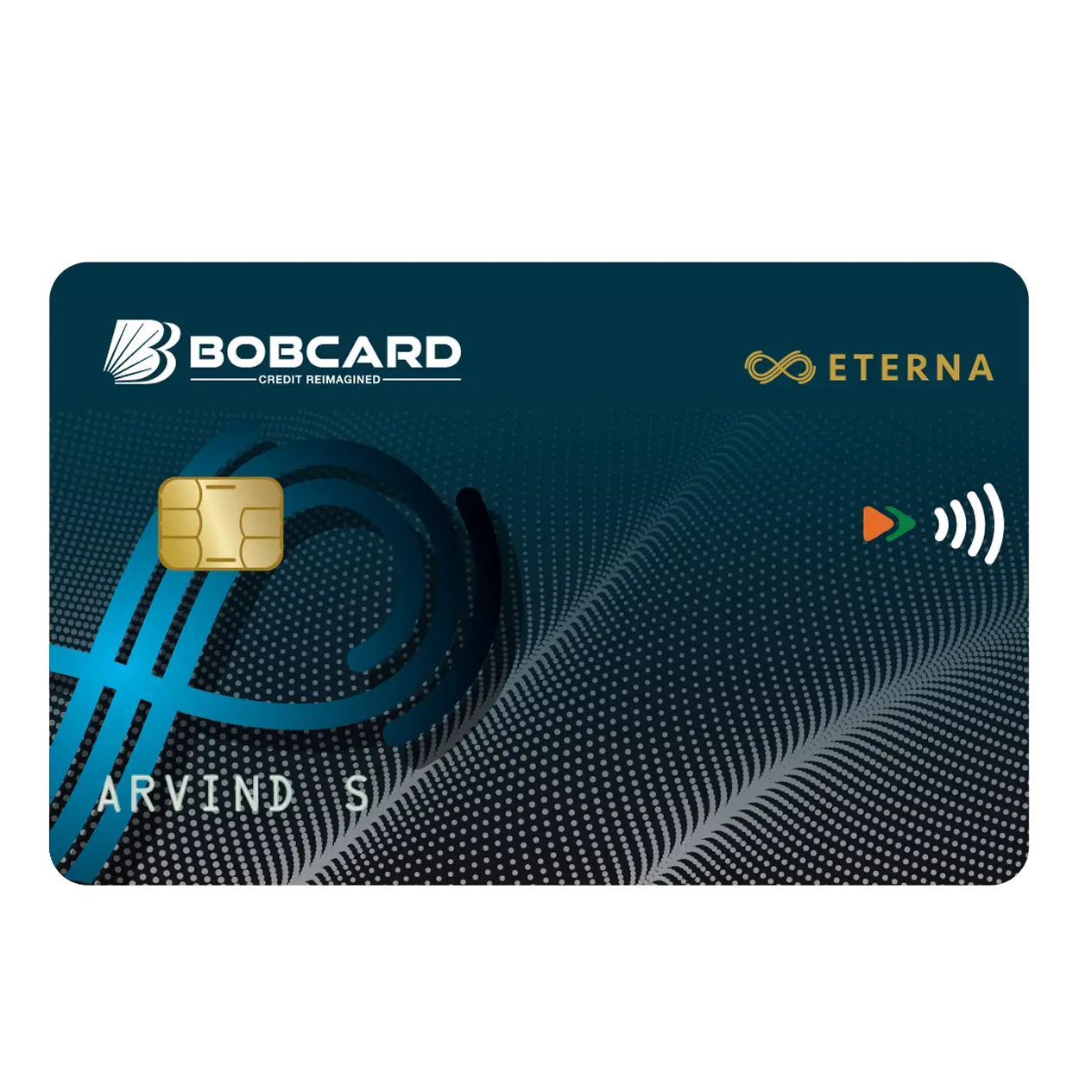
This strategic positioning is best evidenced by products like the BOBCARD Eterna, which currently boasts an industry-leading reward velocity for mid-range cards, granting users 15 points per ₹100 on high-frequency spend categories like travel and dining, translating to an effective reward rate of 3.75%. However, this exceptional value proposition is tempered by operational complexities, notably persistent user complaints regarding slow customer support resolution times and a sometimes unstable mobile application, demanding a careful, balanced evaluation of bob credit cards before adoption.
The Strategic Advantages: Why BOBCARD is a 2026 Value King (Pros)
The core strength of the BOBCARD portfolio lies in its ability to deliver superior quantifiable rewards and unmatched flexibility in specific, high-growth consumer niches. For the rewards hunter and the tech-savvy millennial, the bob card benefits dramatically outweigh the initial friction points, provided they utilize the cards for their intended high-yield categories. Understanding these bob card advantages disadvantages is crucial for maximizing utility.
Unmatched Reward Velocity on Premium Segments (Eterna Focus)
The cornerstone of BOB’s 2026 strategy is the Eterna card, designed specifically to capture high-spending, lifestyle-focused customers who prioritize travel and dining experiences. While many competitors restrict their highest reward tiers to proprietary shopping portals or specific monthly caps, the Eterna offers a straightforward, high-yield structure:
- Exceptional Base Rate: While the standard earn rate is competitive, the accelerated rate is the game-changer. By offering 15 reward points per ₹100 on travel (booked directly or through specific airline sites) and dining (in-store and app-based), BOBCARD establishes a reward rate that challenges much higher annual-fee cards.
- Effective Yield Calculation: Assuming 1 reward point equals ₹0.25 (the standard redemption value for cashback or gift vouchers), 15 points per ₹100 equates to ₹3.75 back on every ₹100 spent. This 3.75% reward rate is exceptionally high and places the Eterna squarely against market leaders in the premium segment, often without the associated high annual fee if secured via an LTF offer.
- Broad Category Coverage: Unlike cards that define ‘dining’ too narrowly, Eterna’s points system covers a wide range of restaurant types, increasing the real-world applicability of the high earning rate.
This intense focus on maximizing returns in high-engagement categories is a primary reason why a balanced evaluation of bob credit cards often tips favorably toward their top-tier products.
The Lifetime Free (LTF) Acquisition Strategy
BOBCARD has utilized promotional LTF offers not just as an enticement, but as a core pillar of its market penetration strategy. This tactical deployment of aggressive fee waivers is designed to lure customers away from incumbent banks who are increasingly reluctant to offer premium cards without annual commitments.
- Aggressive Timelines: The current promotional campaigns, valid until specific deadlines (such as March 31, 2026), have made cards like the Premier and Select variants accessible as truly Lifetime Free products. Crucially, these offers often waive the traditional "spend ₹X amount in the first year" clause for fee reversal.
- Zero Annual Spend Requirement: The most compelling aspect of BOB’s LTF strategy is that once the card is issued as LTF, there are no annual spend milestones required to maintain the fee waiver. This contrasts sharply with competitor cards that may be LTF initially but revert to a charged model if the user fails to cross a significant annual threshold (e.g., ₹2,00,000).
- Accessibility to Premium Features: By offering cards like Premier and Select as LTF, BOB democratizes access to features like domestic lounge access and higher credit limits, traditionally reserved for high-fee segments. This benefits the minimalist user who seeks premium features without the financial burden.
Future-Proofing Payments: Deep UPI Integration (RuPay)
In the rapidly evolving Indian digital payments ecosystem, the ability to use a credit card for small-ticket transactions via UPI is a significant competitive differentiator. BOBCARD’s status as a major issuer of RuPay credit cards provides a substantial technological edge.
- Seamless Linking: Users can easily link their RuPay-enabled BOB credit cards (such as the Premier variant) directly to widely used UPI applications like BHIM, Google Pay, and Paytm.
- Rewards on Small Scans: This integration eradicates the need for debit cards or cash for minor transactions. Users can scan a merchant’s QR code and pay using their credit card, earning reward points even on purchases as small as a ₹50 coffee or a ₹100 grocery item transactions historically exempt from credit card reward systems. This widespread applicability significantly boosts the overall reward accumulation rate.
- Market Leadership in Digital Inclusion: By embracing the RuPay platform, BOBCARD aligns perfectly with the national goal of integrating credit into the digital economy, making the BOB card advantages disadvantages assessment highly favorable for digitally native users.
International Savings: The Low Forex Markup Benefit
For frequent international travelers or those who often transact in foreign currencies, the cumulative cost of Forex markup fees is a major expense. BOBCARD offers a stark financial advantage here compared to the industry norm.
- Reduced Fee Structure: The Eterna and Tiara variants feature a highly competitive 2% Forex markup fee.
- Industry Comparison: The vast majority of standard and mid-tier credit cards in India impose a hefty 3.5% Forex markup fee (plus GST), which quickly adds up. For a user spending ₹5,00,000 internationally in a year, the difference between a 3.5% and 2.0% fee translates to a direct saving of ₹7,500, making BOB cards highly attractive for global spending.
- Simplicity and Transparency: This lower fee structure is applied uniformly to all international transactions, including online purchases from foreign merchants and ATM withdrawals (though ATM withdrawals usually incur separate cash advance fees).
Flexibility in Repayment: Smart EMI Feature Analysis
Financial flexibility is critical, especially when managing high-value purchases. BOBCARD’s Smart EMI feature is highly regarded for its accessibility and comprehensive tenure options.
- Conversion Threshold: Users can convert any single purchase over ₹2,500 into an Equated Monthly Installment (EMI) plan. This low threshold makes it practical for medium-sized household electronics or travel bookings, not just large appliances.
- In-App Control: The process is managed entirely through the BOBCARD mobile application. This seamless digital interface allows users to select the transaction post-purchase and choose their preferred tenure (ranging typically from 6 to 36 months) with minimal manual intervention or customer service dependency.
- Pre-Approved Offers: BOB frequently pre-approves certain large merchant transactions (e.g., Apple, Amazon) for zero or low-interest EMIs, further enhancing the utility of this repayment option.
Navigating the Friction Points: BOBCARD’s Operational Drawbacks (Cons)
While the theoretical value proposition of BOBCARD is robust, the user experience is often marred by infrastructural and operational limitations. A thorough balanced evaluation of bob credit cards requires acknowledging these bob card disadvantages, which primarily revolve around service delivery and application stability.
The Critical Challenge of Customer Support Lag
The most common and significant pain point cited by BOBCARD users on platforms like Trustpilot, Twitter, and specialized forums is the pronounced lag and inconsistency in customer service.
- Long Wait Times: Users frequently report prolonged wait times on the toll-free helpline, especially during peak hours or for complex inquiries such as billing discrepancies, unauthorized transactions, or fraudulent activity reporting.
- Slow Email Turnaround: Resolution through email support is often described as frustratingly slow, sometimes taking several business days to receive an initial acknowledgment, let alone a resolution. This is a crucial drawback when dealing with time-sensitive issues like credit limit increases or transaction disputes.
- Dependence on Branch Banking: Due to the complexity of resolving issues through digital or telephonic channels, some users are forced to revert to physical bank branches for resolution, which negates the convenience expected from a modern credit card issuer. This systemic issue highlights the need for significant investment in their backend service infrastructure.
Technical Instability: Issues with the BOBCARD Mobile App
In the age of instant digital access, a robust mobile application is non-negotiable. Unfortunately, the BOBCARD Mobile App is frequently cited as a source of technical frustration.
- Session Timeouts and Glitches: Users report common issues such as frequent session timeouts requiring repeated logins, rendering the app unreliable for quick checks. Furthermore, technical glitches often interfere with essential functions like making bill payments or viewing reward point balances instantly.
- Slow Loading of Unbilled Transactions: A consistent complaint is the significant delay in transactions reflecting in the ‘unbilled’ section. This lack of real-time visibility hinders immediate expense tracking and can lead to budgeting confusion, especially for high-volume users.
- Digital Disconnect: While the Smart EMI feature is designed to be user-friendly, the underlying app instability can make accessing and implementing these features cumbersome, creating friction points where seamless operation is expected.
The Evolution of Perks: Spend-Linked Lounge Access (Post-2025 Policy)
Following major policy updates across the industry, particularly in 2025, the structure of complimentary benefits has changed, shifting the cost burden onto the user through mandatory spend milestones. This change impacts the perceived value of premium BOB cards.
- No Longer Truly Complimentary: Lounge access across most BOB premium cards is now structured as "spend-linked." This means that to access a domestic or international airport lounge in the current quarter, the cardholder must have achieved a predetermined minimum spend milestone (typically ranging from ₹20,000 to ₹40,000, depending on the card variant) in the previous quarter.
- Impact on Infrequent Flyers: This change significantly penalizes users who fly infrequently or whose spending is seasonal. If a user spends heavily in Q1 but travels in Q3, they may lose their lounge benefit during Q3 if their Q2 spending was low.
- Competitive Disadvantage: While this trend is industry-wide, certain competitors still offer truly unconditional complimentary access on their ultra-premium cards, placing BOB at a slight disadvantage in the absolute highest-tier comparison.
Policy Tightening: Reward Exclusions and Devaluation
Like nearly all major Indian card issuers, BOBCARD has tightened its reward policy, eliminating points accrual on categories that banks deem low-margin or purely transactional. This is a major bob card disadvantage for users accustomed to maximizing rewards on all types of spending.
The current list of non-rewardable spends across most BOB card variants includes:
- Fuel Purchases: Generally zero reward points, although some variants offer a marginal cashback or specific waiver schemes that cap the benefit.
- Rent Payments: Spending on rent through third-party platforms is typically excluded from reward point accrual.
- Wallet Loads: Loading digital wallets (Paytm, Amazon Pay, etc.) usually fetches zero rewards, preventing users from manufactured spending.
- Government Payments and Insurance: These are increasingly being excluded to protect bank margins.
This devaluation necessitates that users strictly adhere to the high-yield categories (travel and dining for Eterna) to maintain the advertised high reward rates, complicating the overall reward maximization strategy.
Balanced Evaluation of BOB Credit Cards: Segment-Specific Analysis
To provide a comprehensive balanced evaluation of bob credit cards, it is essential to match the card variant to the user’s spending habits. The ideal BOB card differs dramatically between the heavy rewards hunter and the customer seeking merely a backup payment option.
| User Profile | Primary Goal | Recommended Card | Key BOB Card Benefits Drawbacks |
|---|---|---|---|
| The Rewards Hunter | Maximum yield on dining/travel. | Eterna | Pro: 3.75% reward rate; Low 2% Forex. Con: High annual fee (if not LTF); Lounge access is spend-linked. |
| The UPI User | Flexibility for small merchants and everyday payments. | Premier (RuPay variant) | Pro: Seamless UPI linkage; LTF offer common. Con: Lower reward rate than Eterna; Basic perks. |
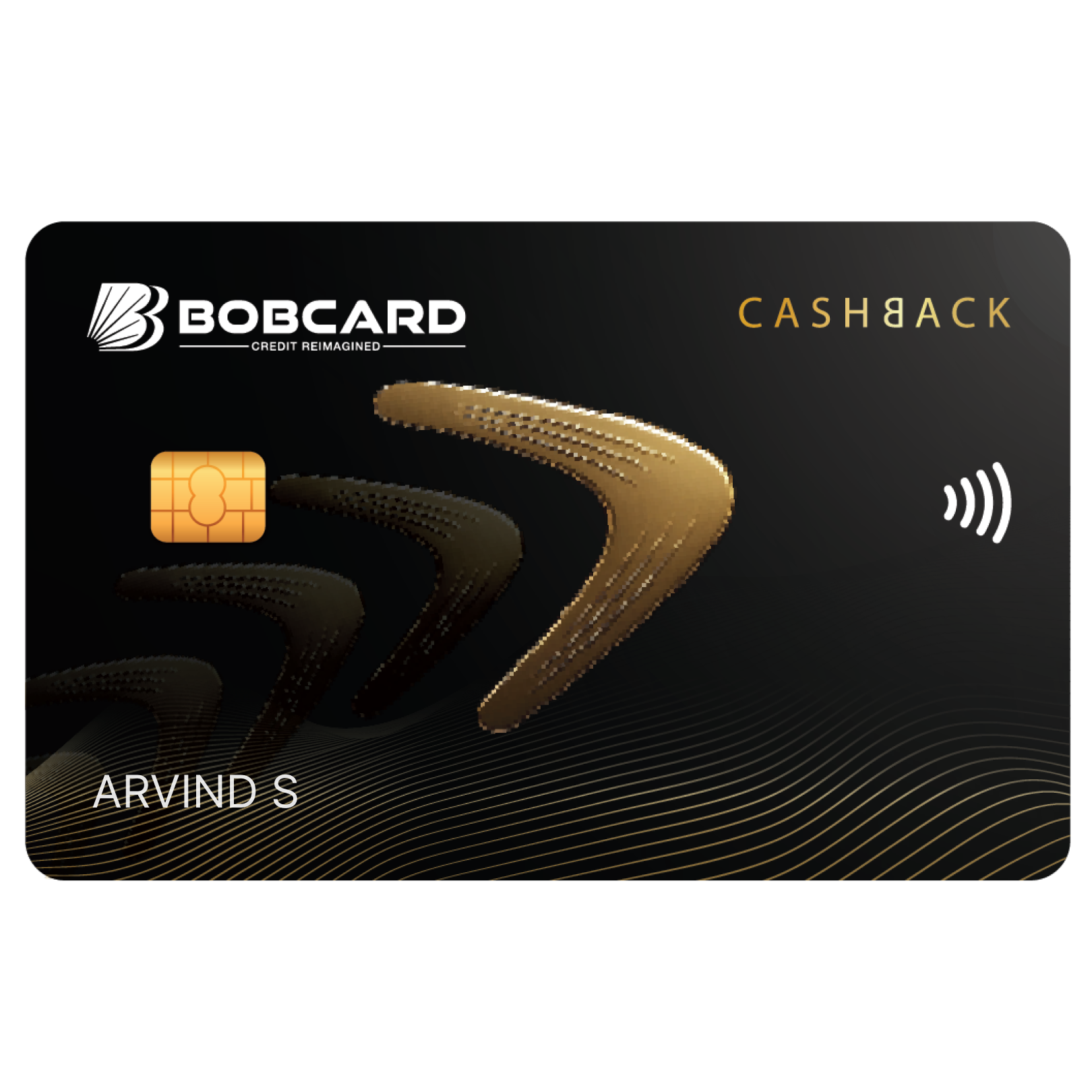
| The Minimalist | Zero fee card with cashback on standard spends. | Cashback | Pro: True cashback model (simpler than points); Often LTF. Con: Low credit limit historically; No premium perks (lounge). |
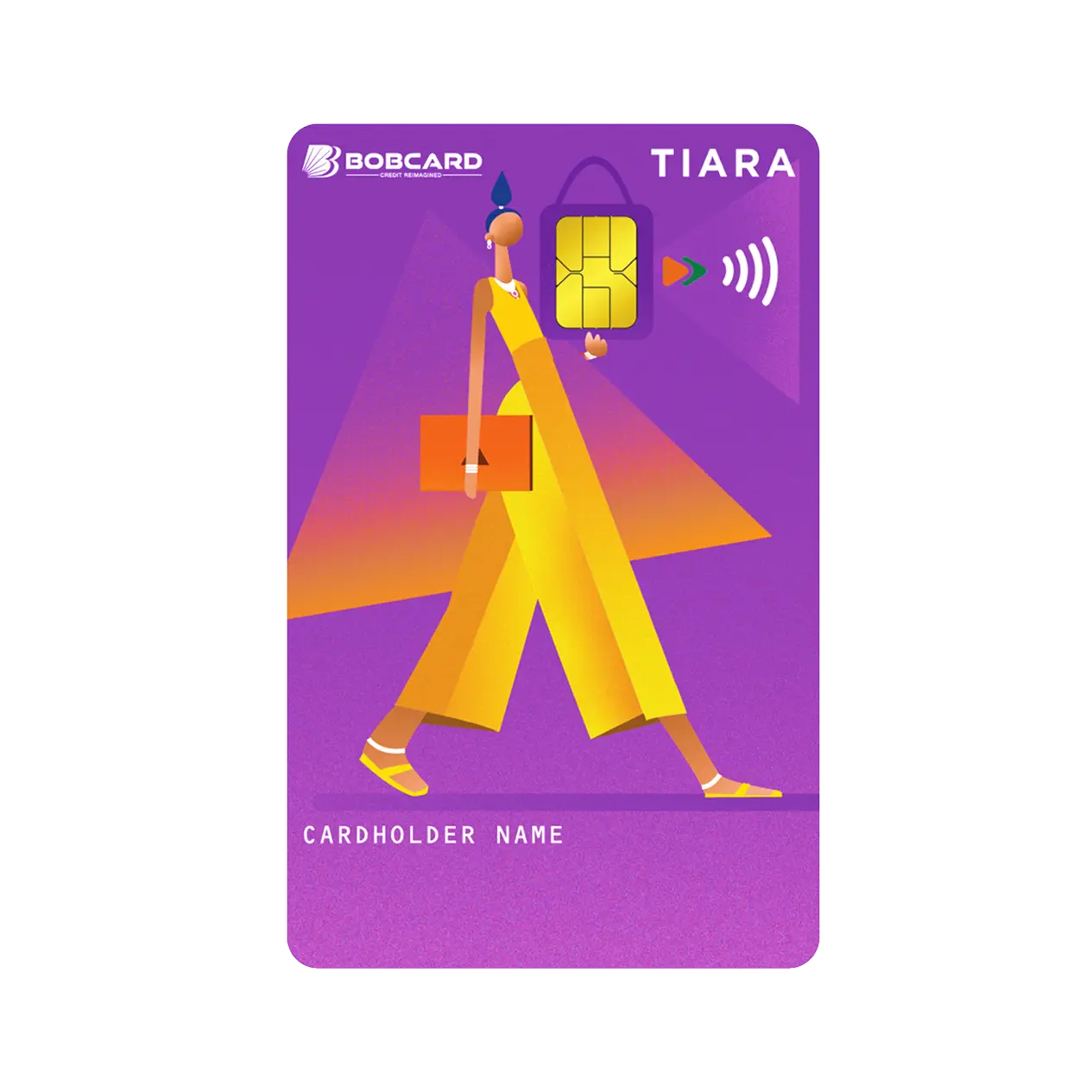
| The International Spender | Lowest Forex fees and global acceptance. | Tiara/Eterna | Pro: 2% Forex markup. Con: Customer support limitations when abroad. |
Deep Dive: Eterna vs. Select (The Mid-Range Battle)
The Eterna and Select cards define the competitive mid-range segment for BOBCARD. While Eterna targets pure reward maximization, Select offers a slightly more balanced package suitable for mass-market users seeking annual fee waivers.
The Select card often serves as the most frequently offered LTF product. While its rewards are modest compared to Eterna, its primary bob card advantages disadvantages relate to its low operational complexity: the rewards structure is simpler, and the annual fee is easier to waive via lower annual spend requirements. Eterna, conversely, provides a path to serious, high-velocity rewards but only if the user consistently spends in the elevated categories and is willing to overlook the operational shortcomings.
Final Verdict and Strategic Recommendation
The BOB credit card pros and cons present a clear paradox: unmatched financial value often packaged with operational instability. The decision to integrate a BOBCARD into one’s financial portfolio must be based on a cold calculation of risk tolerance versus reward velocity.
If a user prioritizes quantifiable returns (especially in dining and travel) and manages to secure an LTF variant of the Eterna or Premier card, they will find that the BOBCARD portfolio delivers superior value compared to many annual-fee competitors. For the savvy consumer who is comfortable resolving minor technical glitches and primarily uses the card for maximizing rewards rather than relying on 24/7 instant customer support for every query, BOB is indeed the value-king of 2026.
However, if the user requires robust, immediate customer support, seamless app stability, and frictionless issue resolution, the current operational drawbacks suggest that a more institutionally strong issuer might be a safer, albeit possibly less lucrative, option.
The strategic recommendation remains: Secure an LTF card (Premier or Eterna) while the aggressive promotions last, use it primarily for its high-reward categories and UPI integration, but maintain a secondary card from an issuer known for superior service reliability to handle emergency disputes. This hybrid approach allows the consumer to harvest the unparalleled reward benefits while insulating themselves from the infrastructural weaknesses that currently characterize the BOBCARD ecosystem.
Disclaimer
The contents of this article are meant solely for informational and educational purposes and do not constitute financial advice or an offer to buy/sell any financial product. Bank of Baroda and/or BOBCARD Limited make no representation as to the accuracy, completeness, or reliability of any information contained herein.
Interest rates, fees, reward structures, eligibility criteria, and other features mentioned are indicative and subject to change without prior notice. For the most current terms, conditions, and charges, please refer to the MITC document and visit www.bobcard.co.in or www.bobfinancial.com.
Credit card approval is at the sole discretion of BOBCARD Limited and is subject to meeting eligibility criteria and documentation requirements. BOBCARD Limited/Bank of Baroda shall not be responsible for any direct or indirect loss or liability incurred by the reader for taking any financial decisions based on the contents and information mentioned herein.
*Terms and Conditions Apply. Please consult your financial advisor before making any financial decision.